
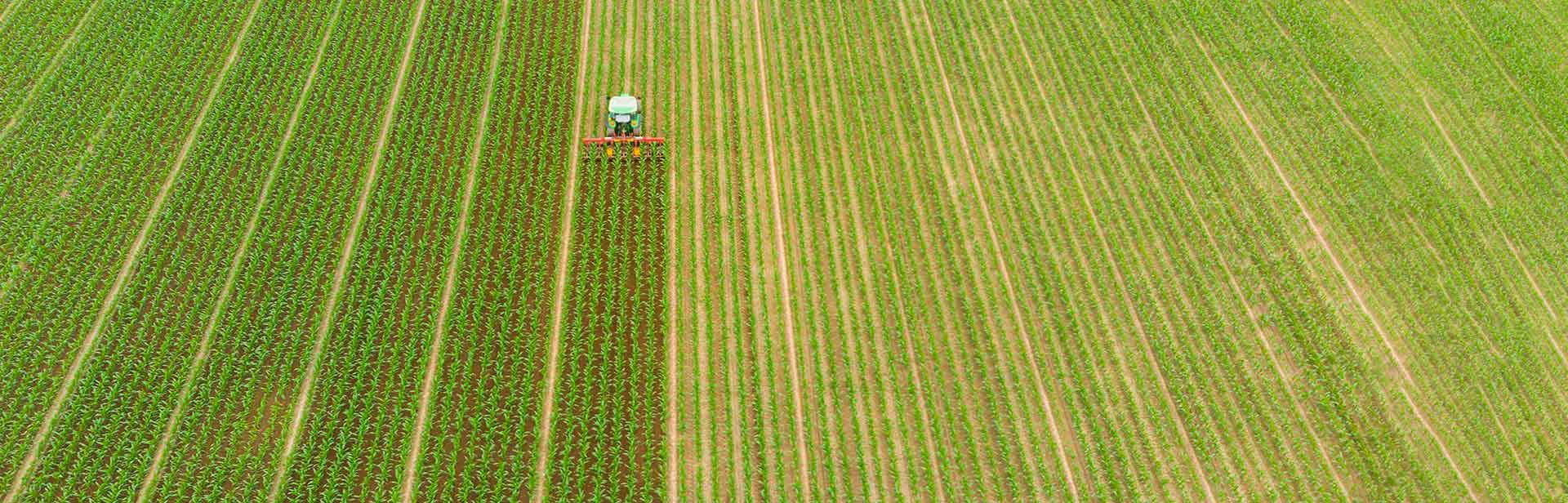
A new generation of agricultural implement is transforming fieldwork during critical planting windows. The pneumatic all-in-one planter combines several discrete farming operations into one continuous, automated process, directly addressing needs for efficiency and resource conservation. By merging soil management, nutrient placement, and precision seeding, this machine reduces operational complexity while delivering agronomic benefits that begin with significant seed savings.
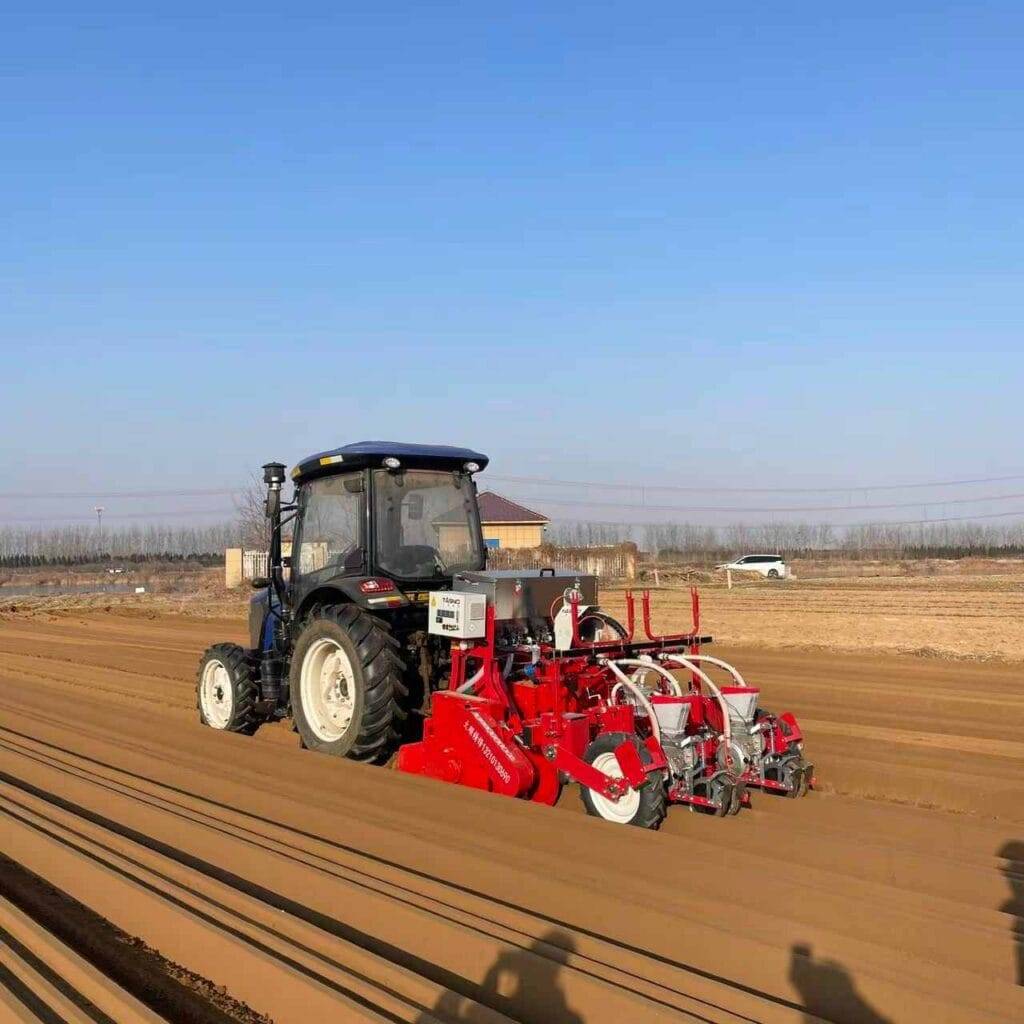
Integrated Field Operations
The machine’s design philosophy centers on integration. Its sequence begins with a tillage unit that prepares a consistent seedbed by breaking up surface compaction. Immediately following, a shaping tool creates defined furrows or raised beds tailored to crop requirements. A subsurface fertilization system operates concurrently, depositing granular fertilizer at a predetermined depth and spatial offset from the seed row. This precise separation prevents root burn and promotes efficient nutrient uptake. The core innovation lies in the pneumatic seed metering system. Using controlled air suction, seeds—from small vegetables to larger grains—are individually selected and gently held against a perforated disc. This mechanism ensures singular, precise release at a programmed interval as the planter moves forward. The operation is capped by a set of closing wheels that firm the soil around the seed, ensuring optimal moisture contact for uniform germination.
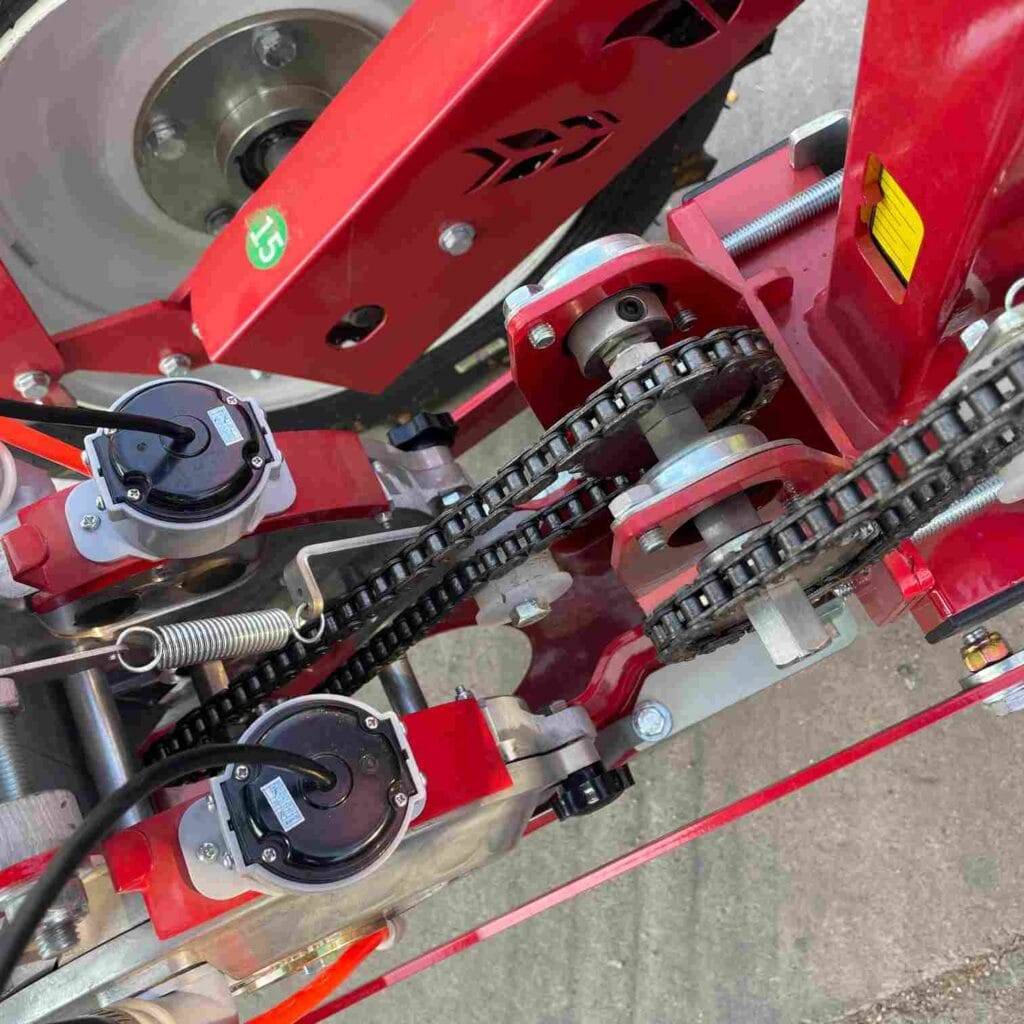
The Precision Advantage: Conservation and Control
The shift from bulk broadcast or even mechanical plate sowing to single-seed pneumatic placement represents a leap in input management. The system’s accuracy virtually eliminates the waste incurred from over-sowing and the subsequent need for manual thinning. For high-value crop seeds, this precision translates into direct and substantial cost savings, with documented seed usage reductions often exceeding 60%. Beyond economics, this method confers important agronomic advantages. It establishes ideal plant spacing from the outset, minimizing intra-row competition for light, water, and nutrients. This leads to more uniform plant stands and crop maturity, which simplifies management and harvest operations. The real-time monitoring console in the operator’s cab provides immediate feedback on seeding performance, allowing for on-the-go adjustments and ensuring consistent emergence across the field.
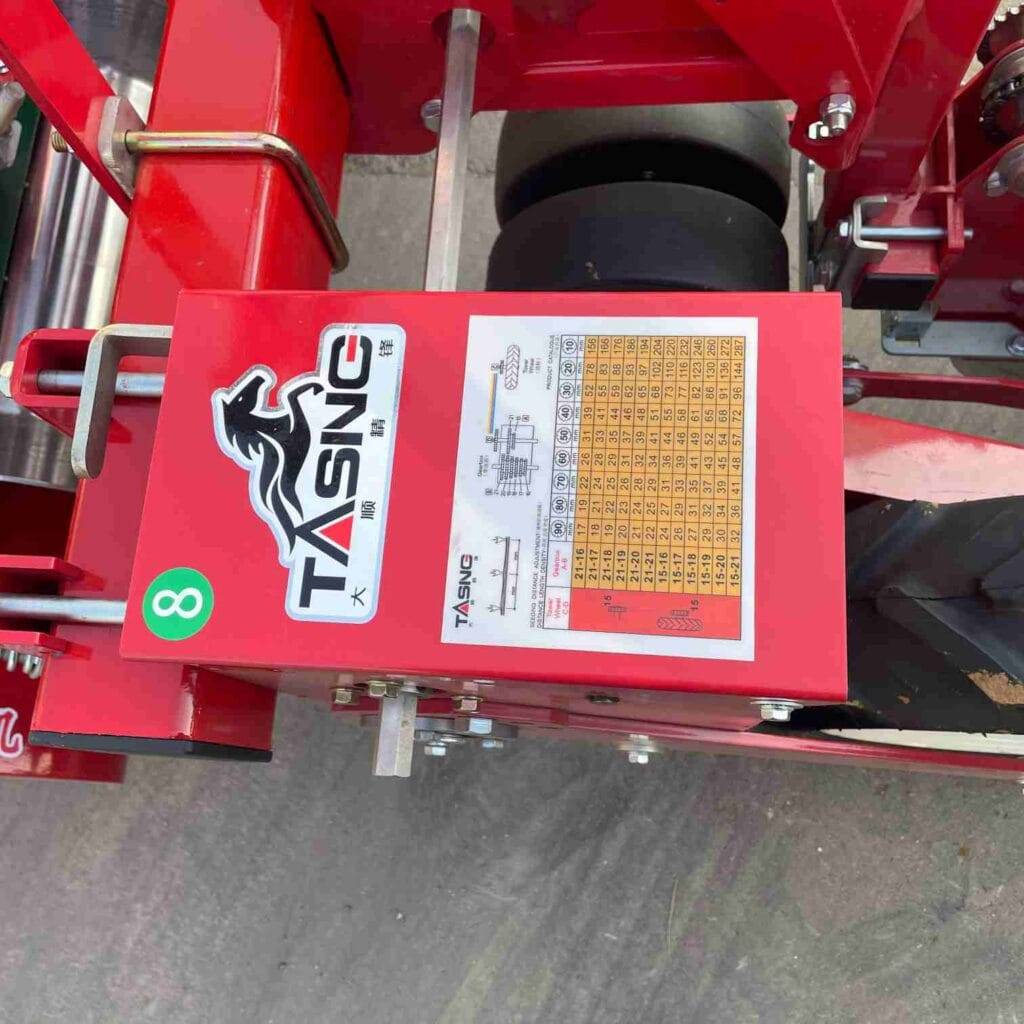
A System for Modern Farming
This planter exemplifies the shift toward consolidated, data-aware machinery in agriculture. It replaces a fleet of single-purpose tools with one coordinated system, saving time, reducing fuel consumption, and lessening soil compaction from multiple passes. By delivering seeds and fertilizer with pinpoint accuracy, it aligns perfectly with the principles of precision agriculture, which seeks to apply the right input, in the right amount, at the right place and time. The result is a powerful tool that empowers farmers to achieve better crop establishment, optimize input costs, and build a foundation for enhanced productivity. More than mere mechanization, it represents a smarter, more sustainable approach to field planting.