
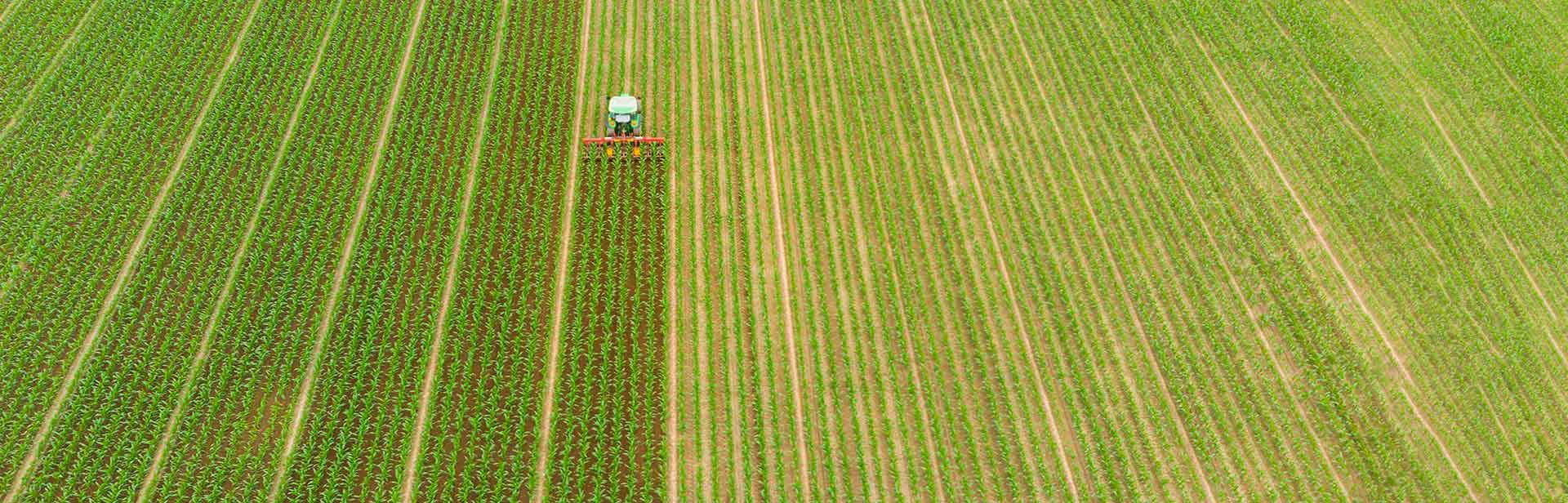
In modern agriculture, planting quality defines the success of an entire growing season. Proper seed placement improves germination, reduces management pressure, and increases harvest output. Although traditional seed planters have served farmers for decades, they lack the accuracy and efficiency required in today’s competitive farming environment. Air suction seed planters, with their advanced design and reliable performance, are becoming the first choice for farmers who want to improve productivity and reduce costs.
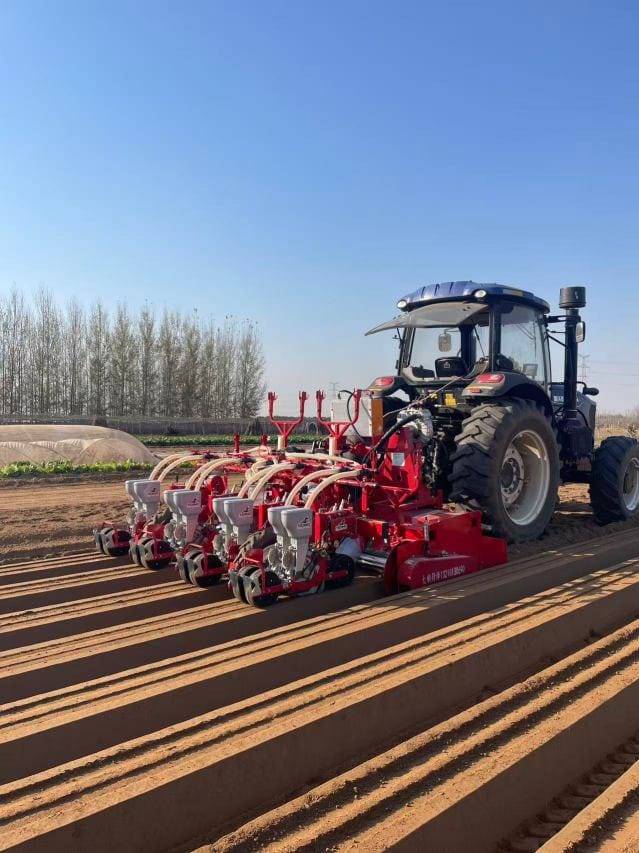
Traditional planting machines rely on mechanical structures to discharge seeds. Because this method is relatively simple, it is hard to achieve accurate seeding. Overlapping seeding and missing seeding are common problems that farmers face. When growing vegetables, extra seedlings require intensive manual thinning, which increases labor expenses and wastes valuable seeds. In corn fields, inconsistent spacing creates uneven plant growth, blocks sunlight and air flow, and lowers final yield. Small seeds are especially challenging for traditional machines, often leading to inconsistent stands and financial losses.
Air suction planters use vacuum negative pressure to achieve precise single-seed planting. Each suction hole holds one seed, ensuring accurate placement without waste. This advanced system can save more than 30% of seeds compared to traditional methods, which is extremely valuable for expensive vegetable and medicinal crop seeds. The adjustable plant and row spacing also allows the machine to adapt to many different crops, from dense vegetables to widely spaced herbs. Uniform emergence makes field management simpler and supports healthier, more consistent plant growth.
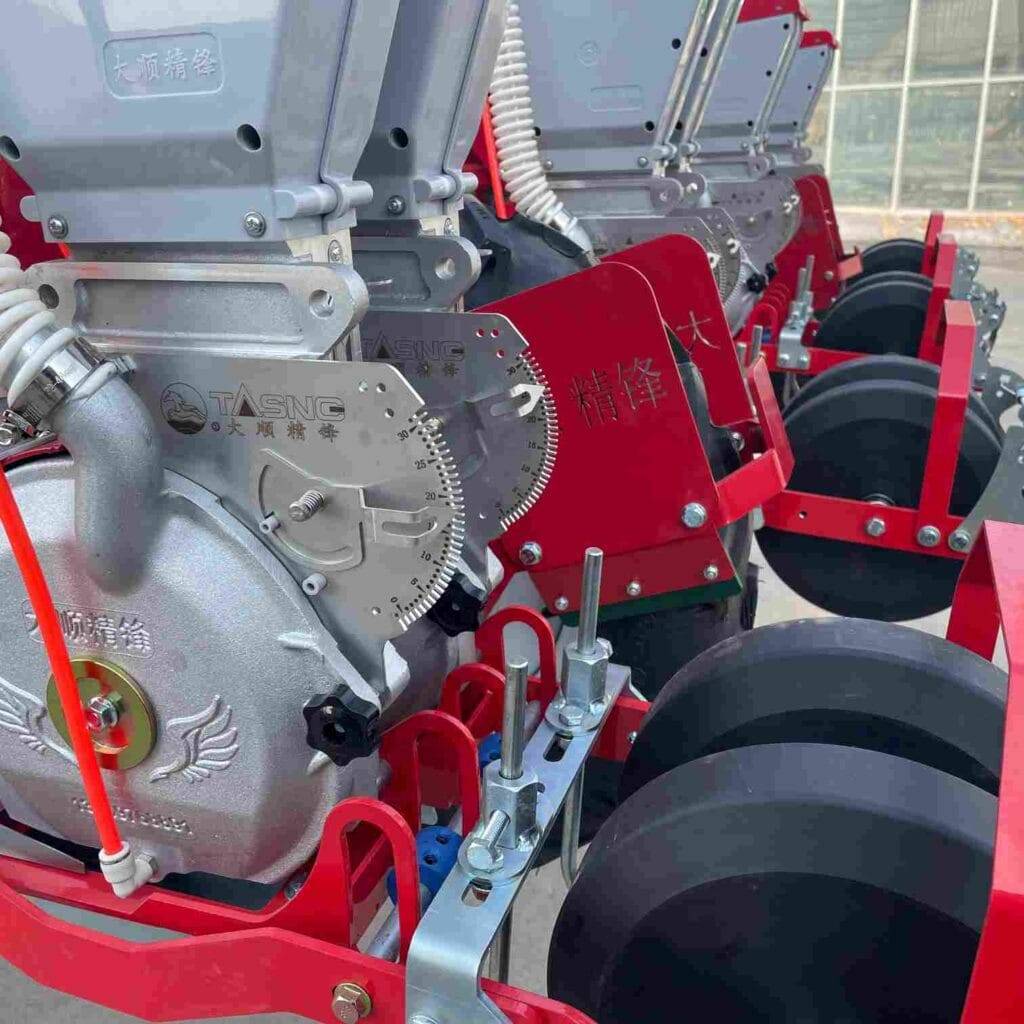
Efficiency and functionality are another major advantage of air suction seed planters. Traditional equipment often completes only one task at a time, meaning multiple passes over the field. This not only takes more time but also presses down the soil, harming its structure and limiting root development. In comparison, air suction planters integrate several operations into one pass: tilling, ridging, laying drip tape, seeding, covering soil, and pressing. This all-in-one design more than doubles working efficiency and protects soil health. Even in hilly areas and complex land conditions, these planters keep sowing depth stable, so every seed has an equal chance to grow.
Many air suction planters also include intelligent monitoring systems. Drivers can monitor each seeding unit from the cab, with automatic alarms for blockages or failures. This technology turns planting from a skill-based task into a data-guided process, reducing mistakes and improving reliability.
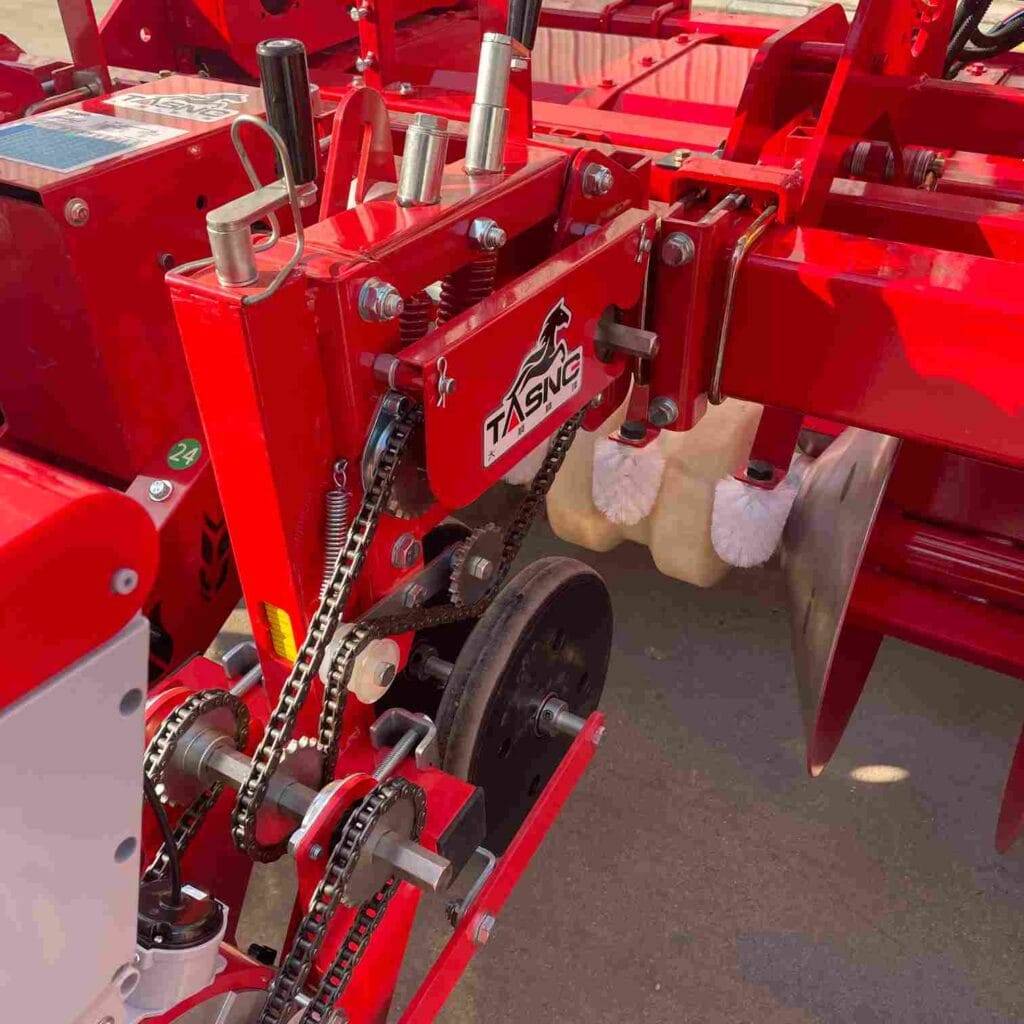
The difference between air suction planters and traditional machines represents the larger shift in agriculture from extensive to precise farming. By lowering seed waste, reducing labor input, and improving crop consistency, these machines provide real economic benefits for farmers. As modern agriculture continues to develop, air suction seed planters will remain at the forefront of planting innovation. For any farmer looking to upgrade operations, increase income, and reduce workload, switching to precision air suction planting is a practical and wise decision.