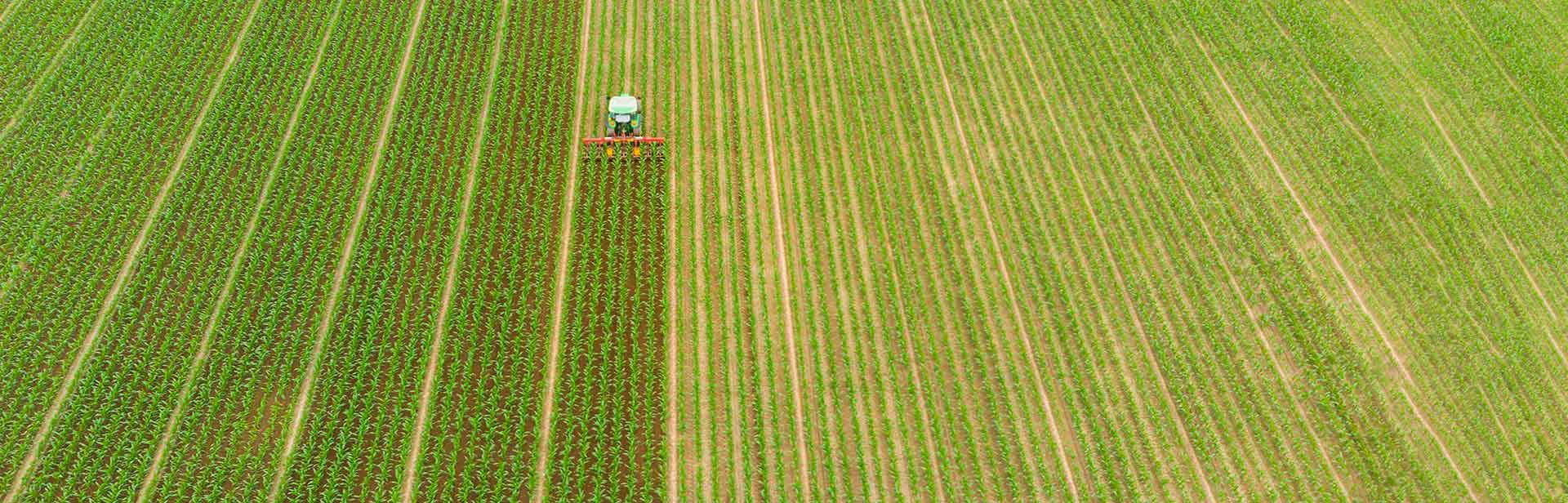
With the development of precision agriculture, accurate seed placement has become increasingly important in modern vegetable production. Air suction vegetable seeders use negative-pressure technology to pick up, transport and release seeds at controlled positions.
- The Basic Working Principle
The core component of an air suction seeder is the vacuum seed-metering system. A fan or vacuum system creates negative pressure behind the seed plate. When the seed plate rotates through the seed chamber, seeds are attracted to the suction holes and held against the plate.
As the seed reaches the designated release position, the vacuum is interrupted or the airflow changes, allowing the seed to fall into the seed furrow.
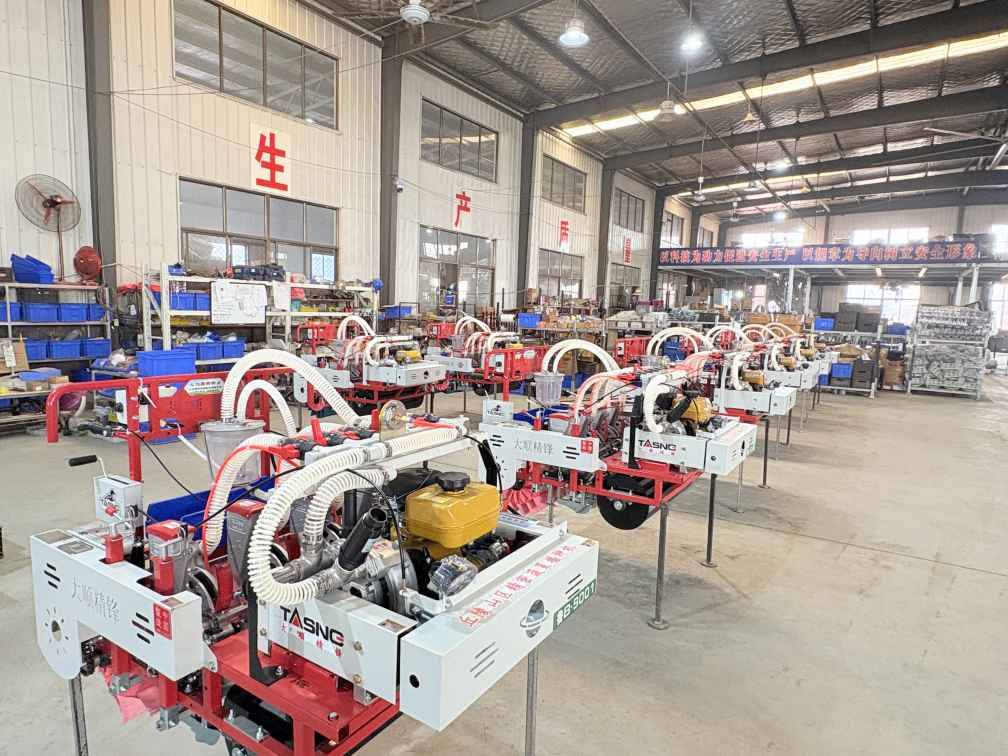
This process can be summarized as:
Seed Pickup → Seed Separation → Seed Transport → Seed Release → Seed Placement
Research on air-suction vegetable seed-metering devices shows that airflow, suction pressure, seed-hole design and seed-plate speed can significantly affect seeding performance.
- Why Is the Seed Plate Important?
The seed plate is one of the most important components of a precision vegetable seeder. Different crops have different seed sizes, shapes and weights, so the suction-hole design needs to match the characteristics of the seed.
An appropriately designed seed plate can help improve:
• Seed pickup stability
• Single-seed metering
• Seed spacing uniformity
• Reduction of missed seeds
• Reduction of multiple seeds
Studies have specifically investigated seed-hole geometry and seed-plate structure to improve the performance of air-suction vegetable seeders.
- Suitable Vegetable Crops
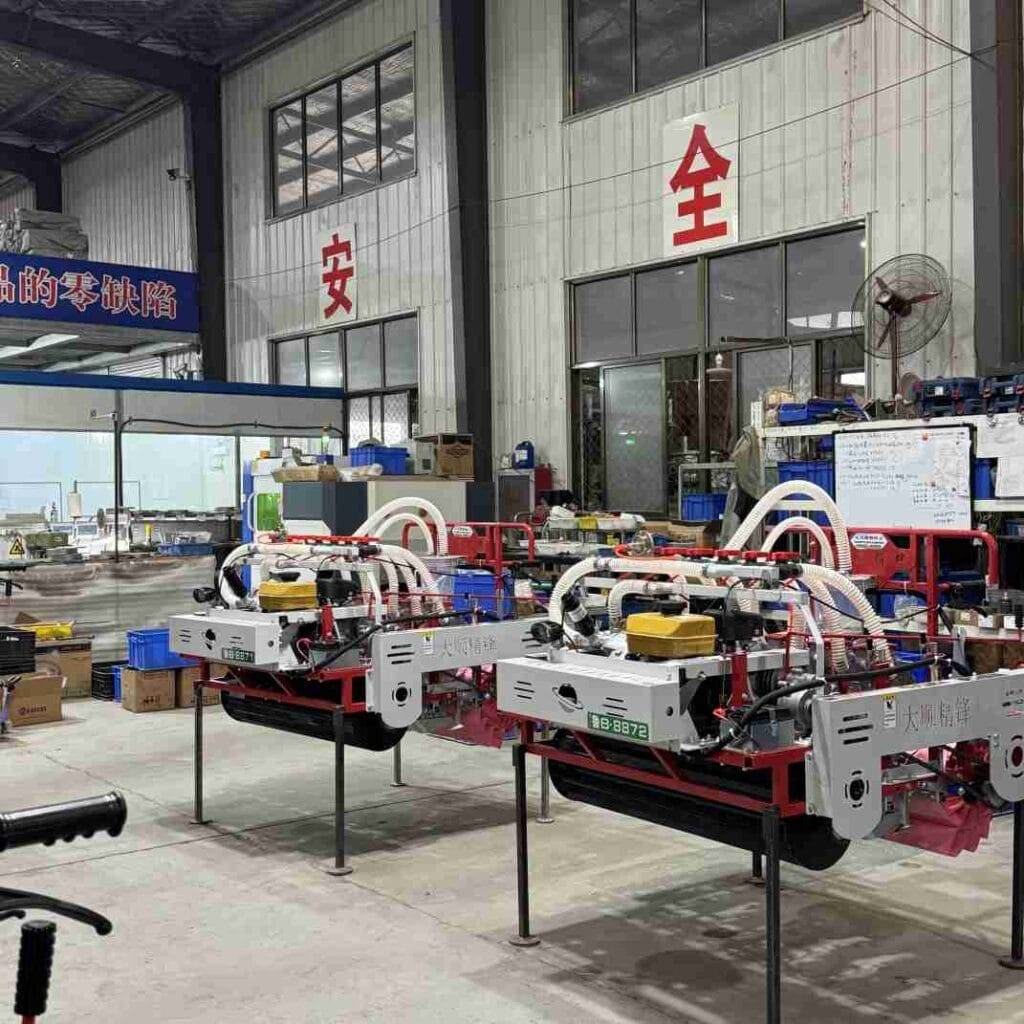
Air suction technology is particularly useful for precision planting applications where accurate seed placement is important. Depending on the seed plate and machine configuration, vegetable seeders can be adapted for crops such as onions, carrots, lettuce, spinach, cabbage and other vegetables.
For commercial growers, precision planting can help create more consistent plant spacing and reduce unnecessary seed consumption.
- The Future of Precision Vegetable Planting
Modern research is also combining air-suction metering systems with sensors, image recognition and intelligent monitoring. Research published on small vegetable seeds has demonstrated systems capable of monitoring missed and repeated seeding during operation.
Air suction technology is therefore becoming an important part of the transition from traditional vegetable planting to precision mechanized agriculture.