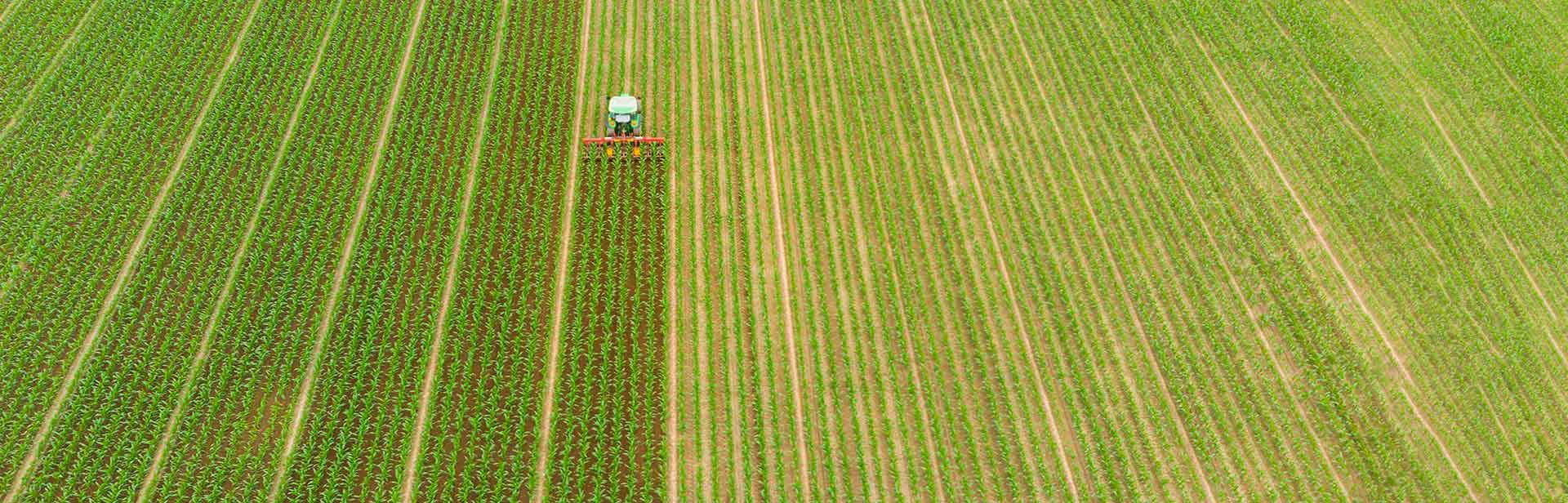
The global push for sustainable agriculture has led to the widespread adoption of innovative technologies, and air-suction seeders stand firmly at the forefront of this movement. These sophisticated machines are far more than simple planting tools; they represent a convergence of cutting-edge engineering and practical design that directly addresses the critical limitations of traditional seeding methods. By offering a comprehensive range of benefits that simultaneously enhance productivity and promote environmental stewardship, air-suction seeders are truly becoming the backbone of modern, efficient, and sustainable farming operations.
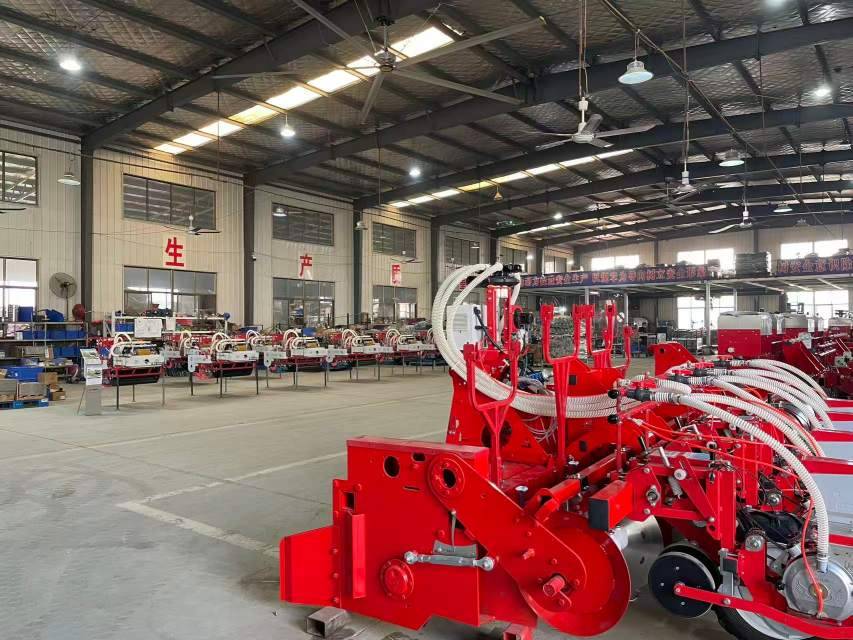
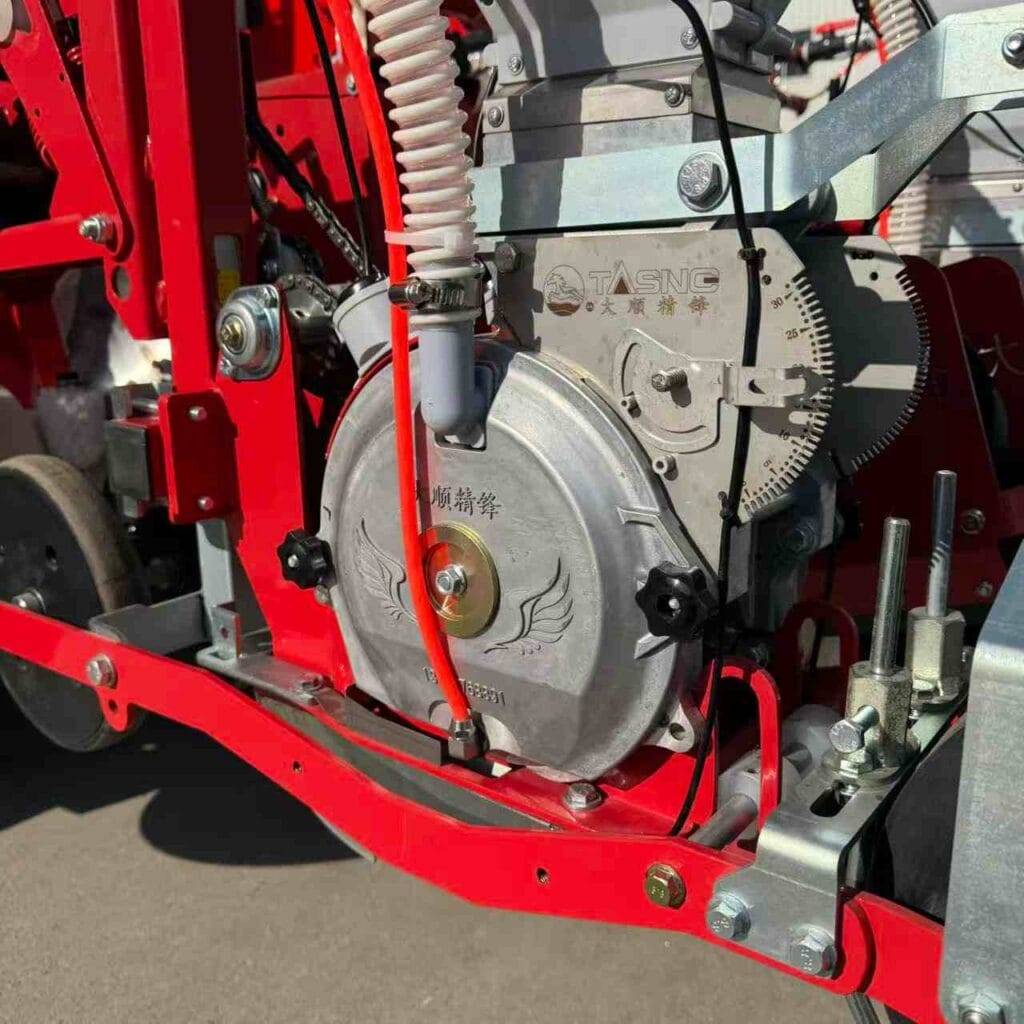
At the core of air-suction seeder technology lies the ingenious vacuum negative pressure system, which enables an unprecedented level of precision in seed placement. This system works by using a fan to create suction that picks up individual seeds onto a rotating plate with precisely calibrated holes. As the plate turns, the vacuum holds each seed securely until the exact moment it aligns with the seed tube above the furrow, at which point the suction is released and the seed drops gently into the soil. This meticulous process ensures that every seed is planted at the correct depth and with optimal spacing, promoting uniform germination and synchronized crop development. Unlike traditional seeders that often result in uneven stands with bare patches and overcrowded clusters, air-suction systems virtually eliminate these inefficiencies. This precision drastically reduces the risk of over-seeding, which not only conserves valuable seeds—often reducing seed costs by 20-40%—but also minimizes competition among plants for critical resources like sunlight, water, and soil nutrients. The result is healthier, more vigorous plants that can achieve their full genetic potential, translating directly to higher crop yields and better-quality produce for the farmer.
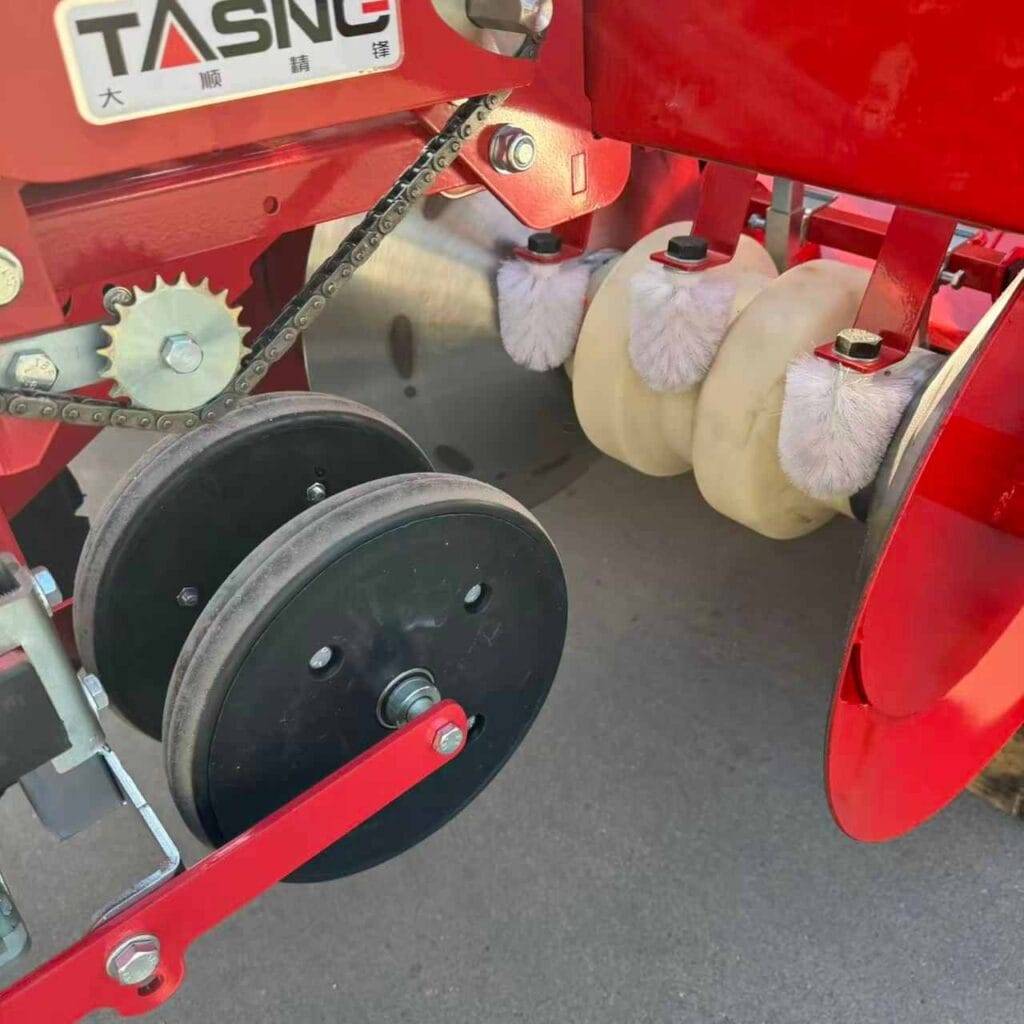
Beyond their precision planting capabilities, a key feature that sets air-suction seeders apart is their inherently multi-functional and resource-efficient design. In traditional farming, preparing a field and planting a crop is a multi-step process requiring several separate passes with different implements: a tractor with a rotary tiller to cultivate the soil, a ridger to form planting beds, a dedicated machine to lay drip irrigation tape, the seeder itself, and finally a roller for soil compaction. This sequential approach consumes significant amounts of fuel, labor, and time, while the repeated traffic of heavy machinery across the field contributes to soil compaction—a condition that hinders root growth and reduces water infiltration. Modern air-suction seeders elegantly solve this problem by integrating multiple functions into a single, efficient implement. High-capacity models are designed to perform rotary tillage, bed shaping, drip line installation, precise air-suction seeding, and final soil pressing all in one seamless pass over the field. This consolidation of operations dramatically cuts fuel consumption and labor hours, directly lowering the carbon footprint of farming activities. Furthermore, the integration of real-time monitoring systems, with sensors in each seed tube, allows farmers to track sowing progress from their tractor cab. This instant feedback enables them to identify and address issues such as blockages or skips immediately, ensuring that the crop receives the best possible start and preventing costly mistakes that would only become apparent weeks later.
As global populations rise and arable land faces increasing pressure, the need to produce more food with fewer resources has never been more urgent. Agriculture must evolve to meet this challenge, and air-suction seeders will play a critical role in this evolution. By optimizing input usage, reducing labor demands, and promoting healthier crop stands, these machines are not just improving farm profitability; they are actively contributing to a more sustainable and resilient global food system.