
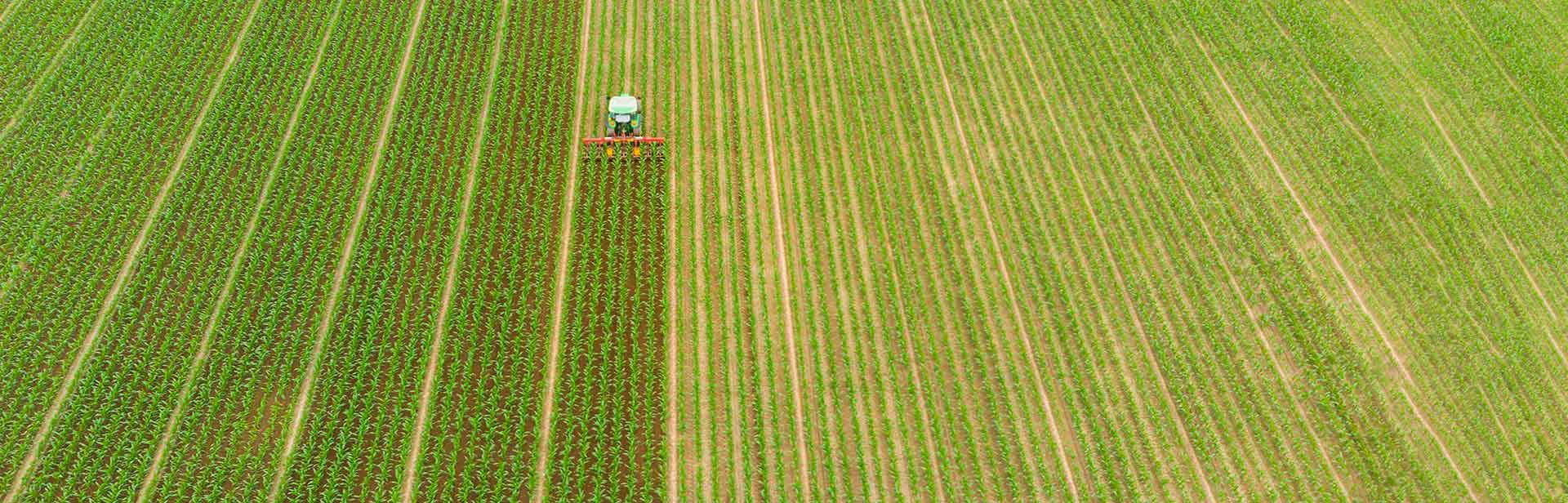
As the global demand for food rises, the pressure on agriculture to produce more with less has never been greater. In China, a homegrown solution is rising to meet this challenge: an air-suction precision seeder that has been hailed as a game-changer for spring plowing. Twice featured on CCTV-17 for its technological merits, this machine represents a significant leap forward in planting efficiency, offering a compelling blend of precision engineering and practical design.
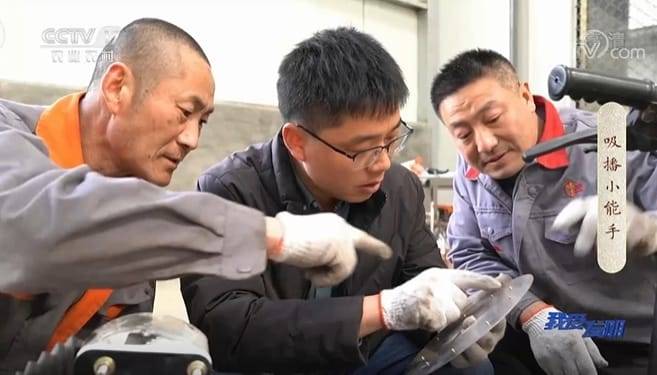
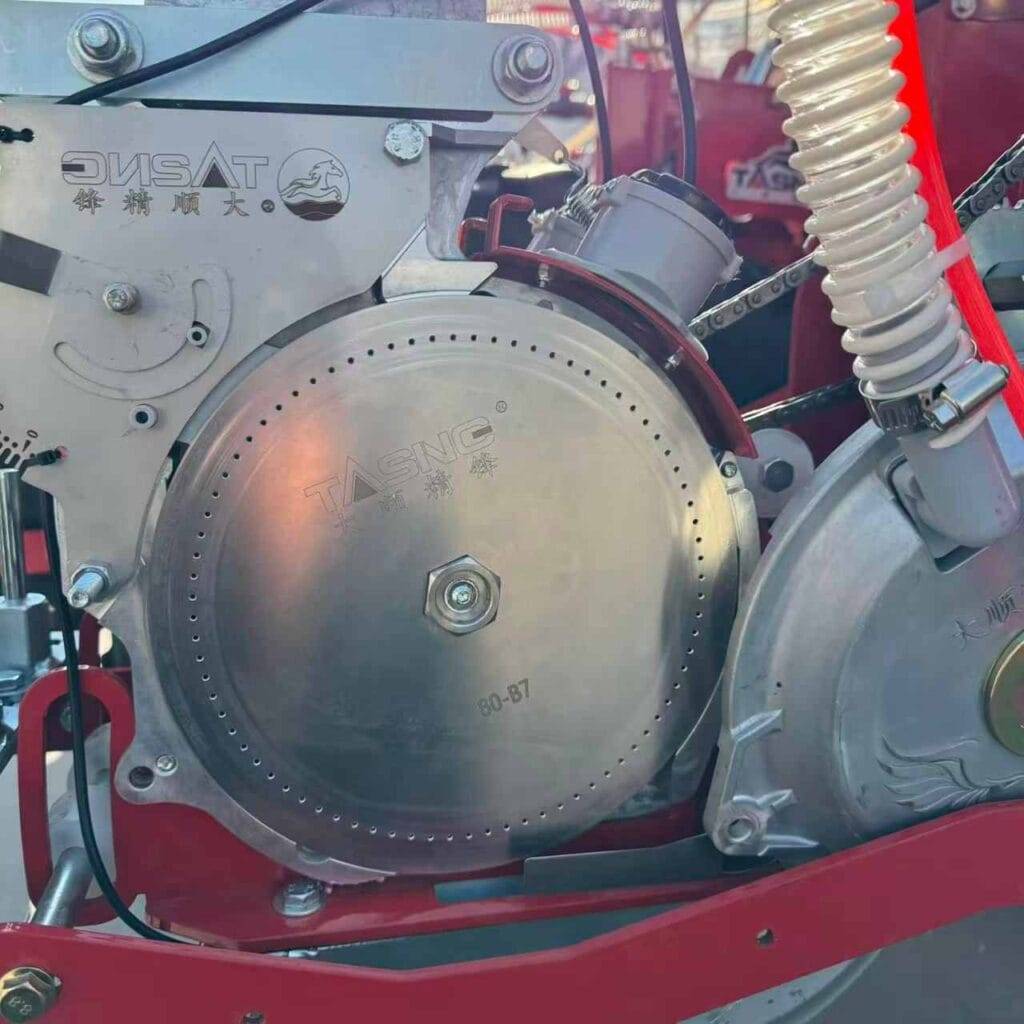
At the heart of this innovation is the quest to solve one of farming’s oldest dilemmas: how to place each seed in the ground with absolute certainty. Traditional mechanical seeders, while effective, often suffer from inaccuracies. They can miss a spot, double-plant a seed, or damage the seed itself, leading to uneven emergence and the laborious task of thinning overcrowded stands. The new seeder tackles these issues head-on with its negative pressure air-suction metering system. By generating a precise vacuum, each seeding unit picks up a single seed and holds it securely until the moment of planting. This “one hole, one seed” capability is the gold standard in agriculture, and this machine achieves it with consistency, boasting miss and repeat rates that significantly undercut industry norms .
The benefits of this precision are profound and quantifiable. Firstly, it delivers dramatic seed savings. By eliminating the waste associated with over-planting, the seeder reduces seed consumption by an estimated 10% to 20%. For large-scale operations, this reduction translates into tens of thousands of dollars saved annually. Secondly, it eliminates the need for manual thinning. When seeds are perfectly spaced from the start, the back-breaking work of walking the fields to remove excess seedlings becomes a relic of the past. This frees up valuable labor for other critical tasks and drastically cuts production costs.
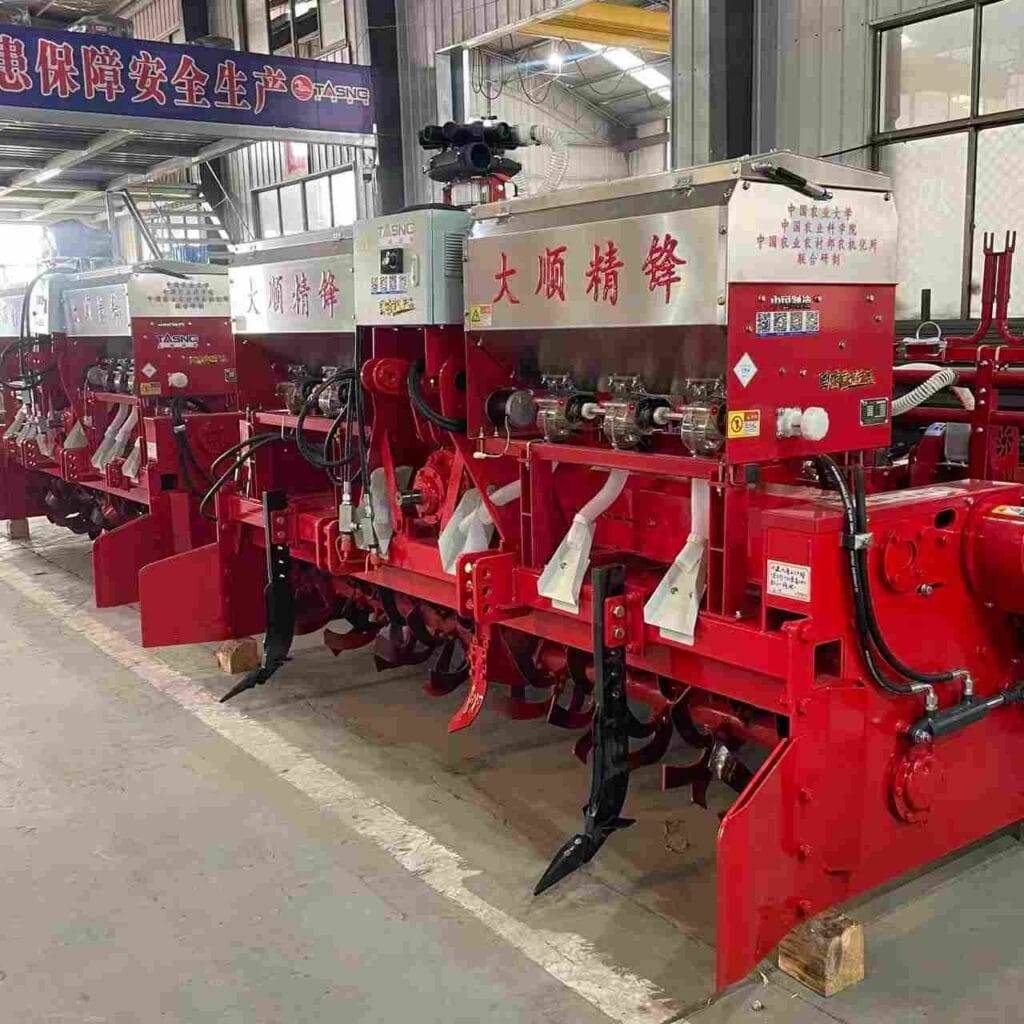
The machine’s engineering excellence extends beyond its seeding mechanism. Agronomists have long known that uniform planting depth is just as critical as uniform spacing for maximizing yield potential. Seeds planted at inconsistent depths emerge at different times, leading to a field of plants that compete unevenly for sunlight, water, and nutrients. To ensure depth consistency, the research and development team focused on the machine’s interaction with the soil. They engineered the rear gantry with a profiling linkage system. This allows each individual row unit to float independently, following the micro-contours of the seedbed. Whether the terrain is bumpy, sloped, or has variable soil firmness, the openers maintain a steady, prescribed depth, laying the foundation for a uniform, vigorous crop stand .
This technical sophistication translates directly to higher yields. By ensuring every seed has the optimal environment for growth, the seeder produces seedlings that are not only uniformly spaced but also healthier and more robust. This strong start is critical; plants with well-established root systems are better able to access water and nutrients throughout the growing season. Field data corroborates this, with farmers reporting average yield increases of more than 10% compared to conventional planting methods .
From the controlled environment of the laboratory to the unpredictable conditions of the field, and from a feature on national television to a trusted place in farmers’ machinery sheds, this air-suction planter is charting a new course for domestic agricultural technology. It demonstrates that by focusing on core engineering challenges—precision, adaptability, and reliability—it is possible to create powerful tools that not only boost productivity but also contribute directly to national food security and the sustainable intensification of agriculture.