
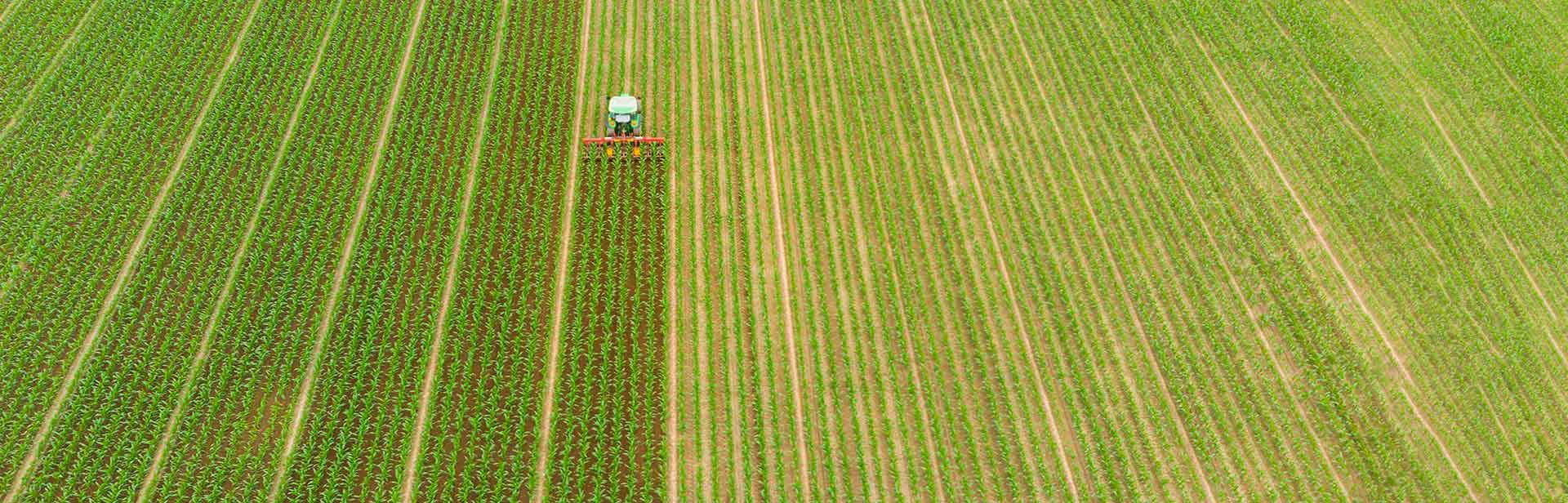
Spring returns to the earth, breathing new life into everything. As temperatures rise and the earth softens, farmland across the country enters the annual golden sowing period. If we look back at the farming scenes of a decade or two ago, the spring fields were often filled with busy figures—farmers bending over, working meticulously with their hands, their rhythm dictated by the seasons and weather. Today, however, the agricultural landscape is undergoing a profound change. In more and more fields, highly automated mechanical equipment has taken center stage, bringing unprecedented efficiency and precision to spring farming. Among these, the pneumatic seeder stands out as a shining example of this transformation.
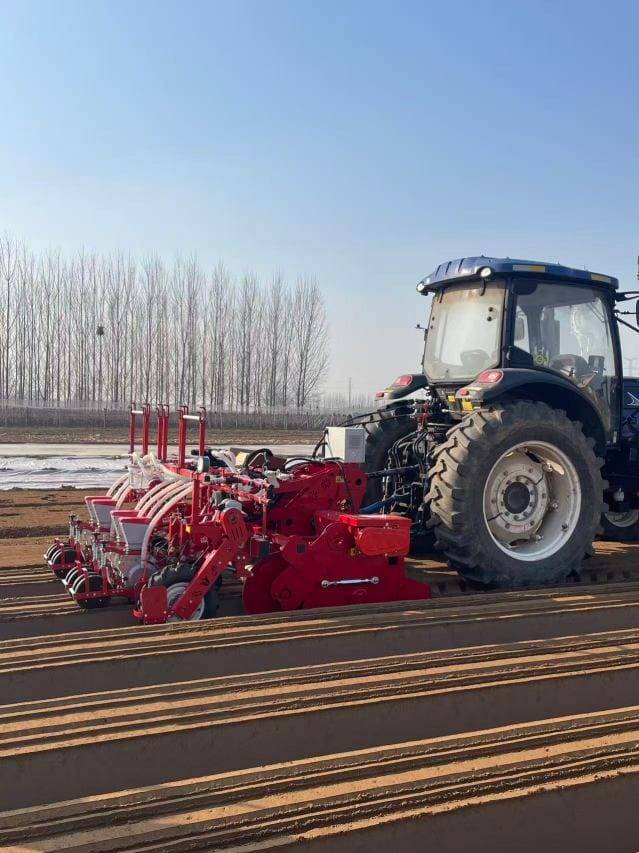
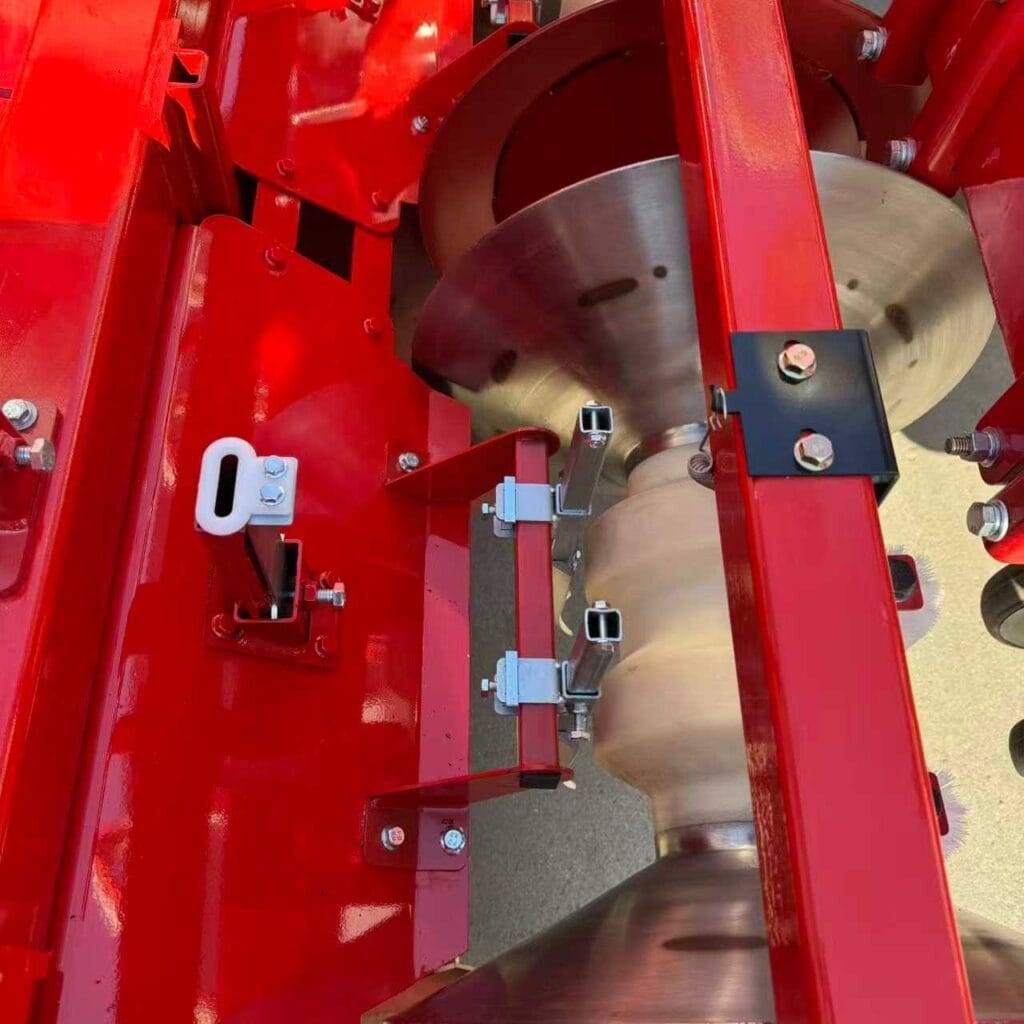
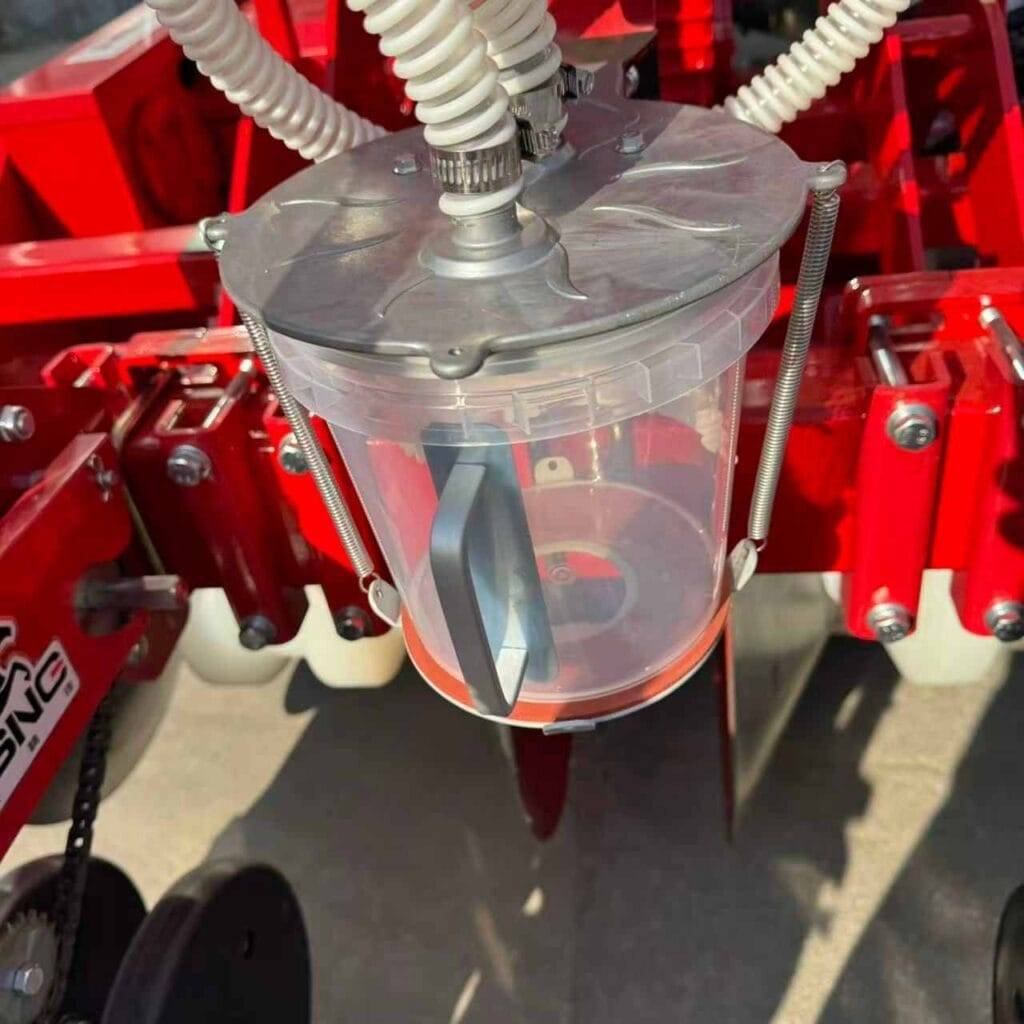
This seeder, which appears technologically advanced, operates on a remarkably scientific principle. Its core lies in an intelligent vacuum adsorption system. By precisely controlling airflow, it creates subtle pressure differentials that allow seeds to be gently and accurately picked up and released. Each seed is treated with individual care, as if handled by an invisible, meticulous hand. This technology fundamentally addresses the long-standing issues of uneven sowing density and excessive seed waste in traditional methods. Through its programmable control system, farmers can freely set parameters such as seed spacing, sowing depth, and the number of seeds per hole based on the characteristics of different crops. For instance, for crops like onions and carrots that require precise single-seed sowing, the machine can operate with almost flawless accuracy; for crops like beans and corn that allow multi-seed sowing, it can also adjust flexibly. The sown fields exhibit striking uniformity, with rows of seedbeds neatly aligned, laying a solid foundation for subsequent management and high-yield harvests.
Beyond its precision sowing function, the true value of this pneumatic seeder lies in its high level of integration. It is a comprehensive field management expert. During operation, it can synchronously complete multiple processes: first, it accurately applies base fertilizer to the sowing rows; then, it performs soil loosening and creates raised ridges; followed by the automated laying of mulch film; next comes the core precision seeding step; throughout the process, built-in sensors monitor seeding status and soil conditions in real-time; finally, it covers the seeds with soil and provides gentle compaction. This seamless “assembly line” operation replaces the joint efforts of multiple machines and personnel in the past. Farmers only need to master simple operations: setting parameters on the control panel, monitoring data on the display, and allowing the machine to navigate the fields autonomously. This not only drastically reduces labor requirements—saving over 70% of human effort—but also makes agricultural production more controllable and standardized.
With the continuous development of technologies such as the Internet of Things and big data, future pneumatic seeders will become even more intelligent. They may automatically adjust sowing strategies based on soil moisture data, integrate with drones for field monitoring, or even connect to cloud platforms for data analysis and optimization of sowing plans. We have reason to believe that in the near future, such intelligent agricultural machinery will become standard equipment on more farms. They will help farmers step further away from “backbreaking labor” and move closer to “smart management,” injecting robust technological momentum into food security and rural revitalization. The wave of intelligent agriculture has arrived, and it is profoundly reshaping our understanding and practice of farming, making this ancient industry glow with new vitality in the new era.