
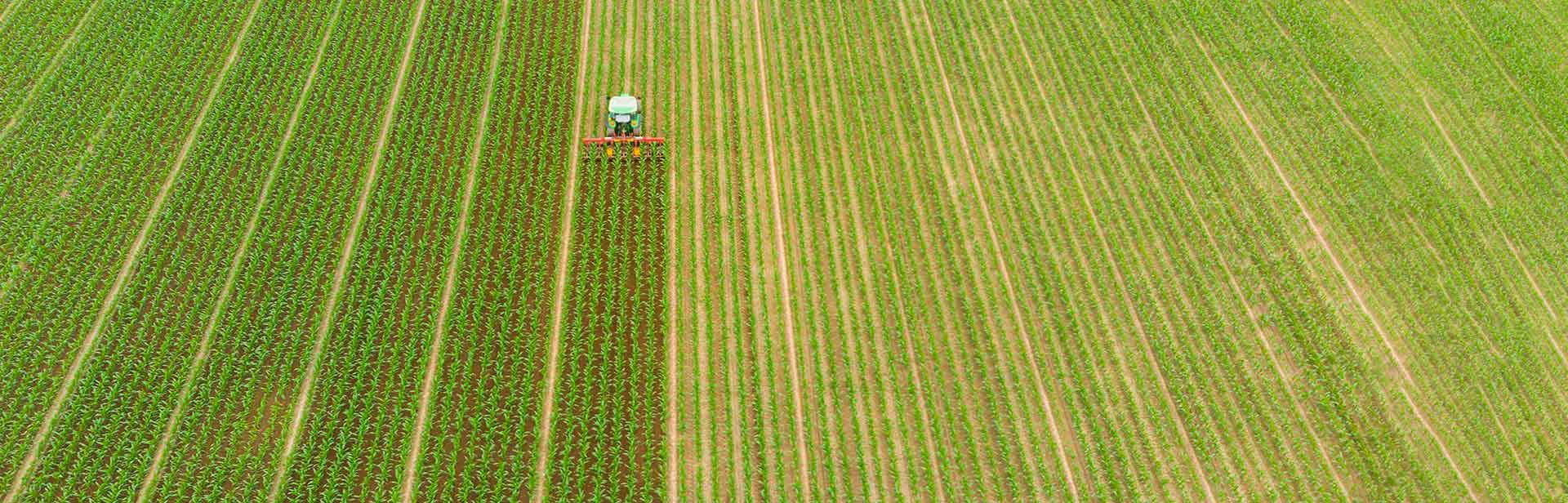
Pneumatic precision seeders are increasingly used in modern vegetable production because they can improve seed placement accuracy and help farmers achieve more uniform plant spacing. For crops such as onions, carrots, spinach, celery and other small-seeded vegetables, choosing the right seeding system is especially important.
- How Does a Pneumatic Seeder Work?
A pneumatic precision seeder uses negative air pressure (vacuum) to hold individual seeds against specially designed holes on a rotating seed disc.
As the disc rotates, seeds are picked up and carried to the release position. When the vacuum is interrupted, the seed falls through the seed tube into the prepared furrow.
Research has shown that vacuum pressure, seed-disc speed and seed-hole design can all influence seeding performance.
- Why Is Seed Disc Selection Important?
Different vegetable seeds vary considerably in size, shape, weight and surface characteristics. Therefore, one seed disc cannot necessarily provide optimal performance for every crop.
The diameter and shape of the suction holes should match the characteristics of the seed. Research on carrot precision seed-metering systems, for example, found that seed characteristics can make precision metering more challenging and that seed-hole geometry has an important influence on performance.
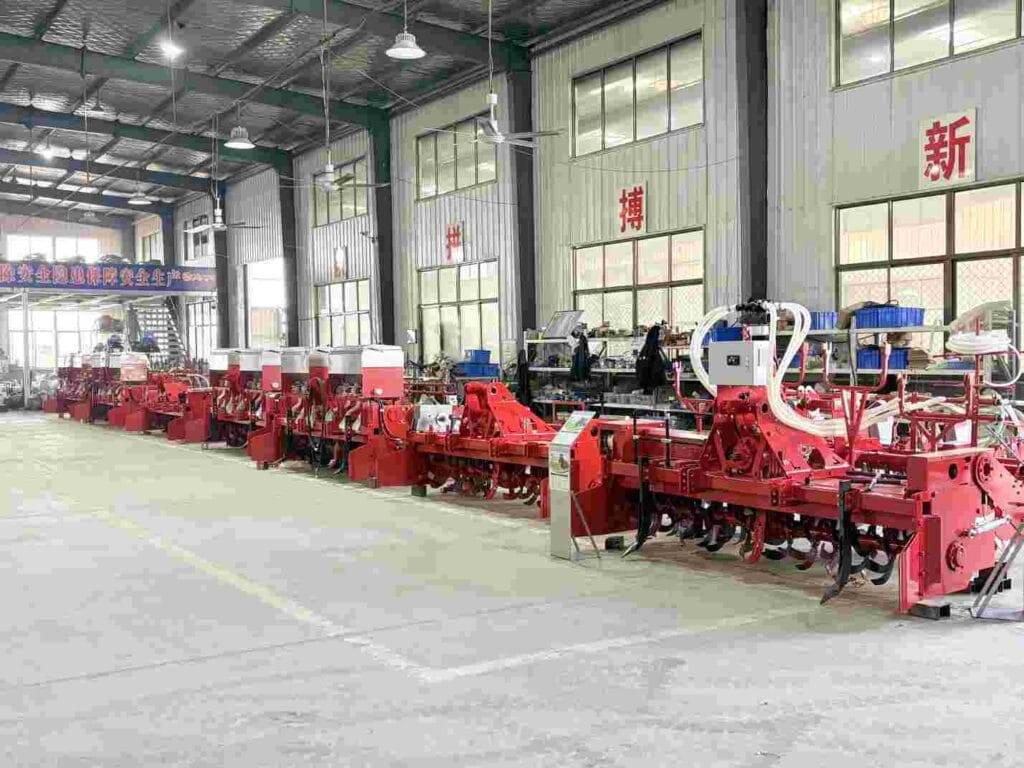
For this reason, professional pneumatic seeders generally use crop-specific or interchangeable seed discs.
- Vacuum Pressure and Operating Speed
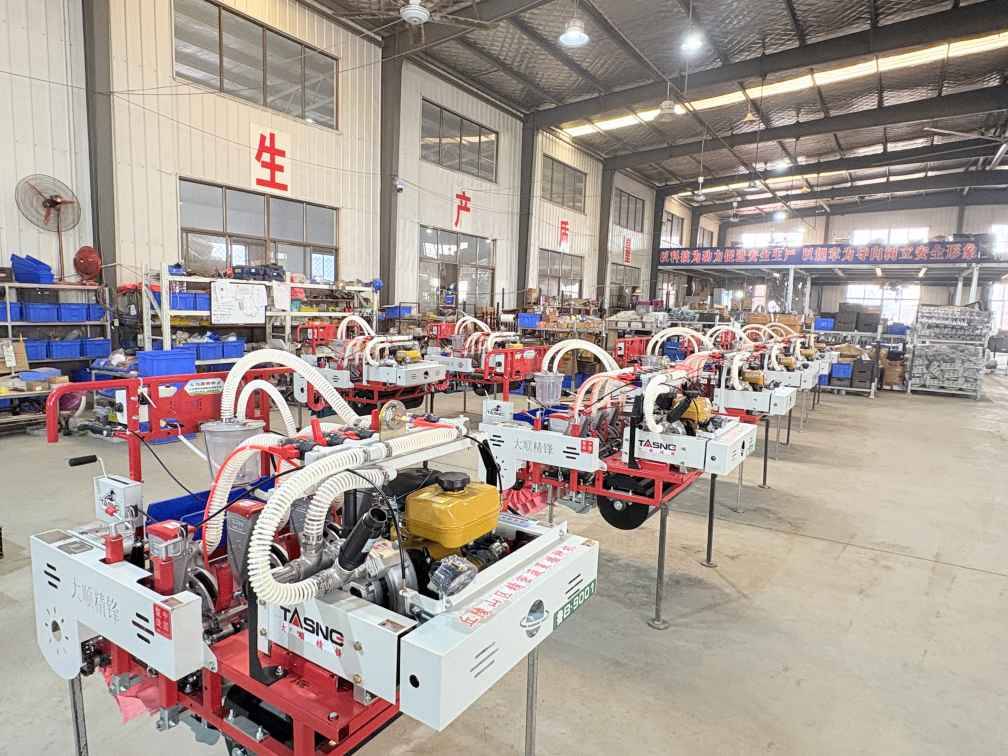
Vacuum pressure needs to be high enough to reliably hold the seed, but operating parameters should be matched to the seed and metering system.
Operating speed also affects seed placement. If the seed disc rotates too quickly, the time available for reliable seed pickup and release changes, potentially affecting missed or multiple seeds.
Studies of pneumatic precision metering systems have identified vacuum pressure and disc rotational speed among the key parameters affecting seeding quality.
Therefore, farmers should not simply select the machine based on maximum working speed. The better approach is to find the operating parameters that provide consistent seed placement for the specific crop.
- What Should Farmers Consider Before Buying?
When selecting a pneumatic vegetable seeder, consider these factors:
• Crop: Onion, carrot, spinach, celery, cabbage, sugar beet, etc.
• Seed characteristics: Size, shape and weight
• Row spacing: Required distance between planting rows
• Plant spacing: Desired distance between individual seeds
• Seeding depth: According to crop and soil conditions
• Working speed: Matching the seed-metering system
• Tractor capacity: Matching the implement’s power requirements
• Field conditions: Soil preparation and surface uniformity
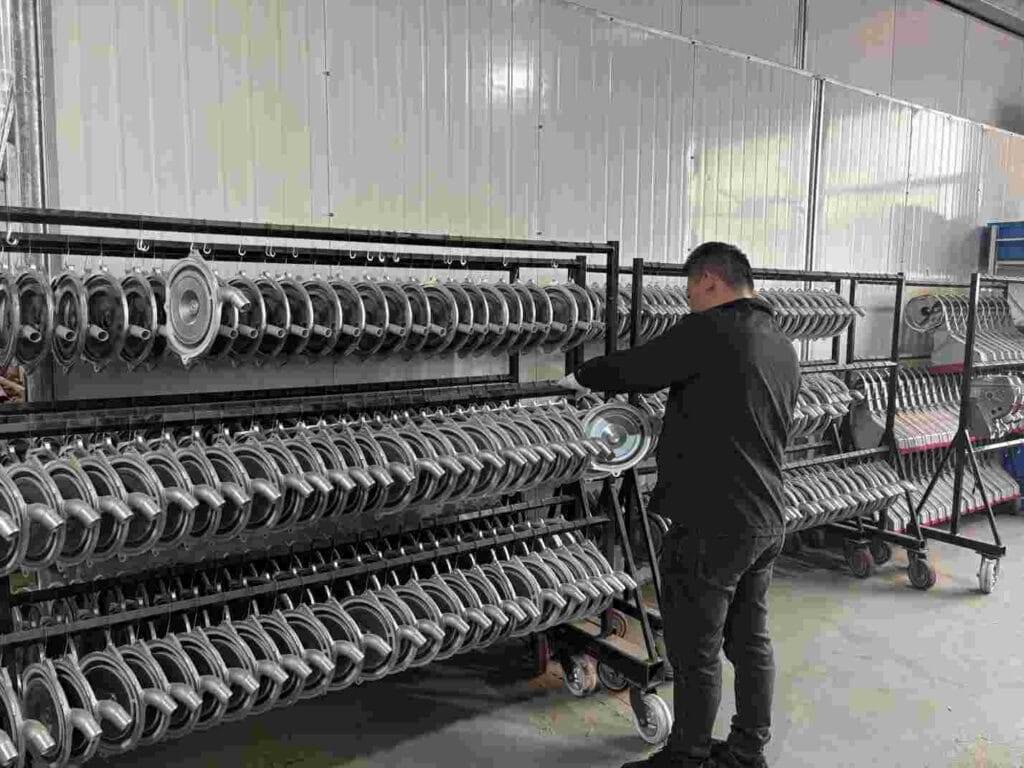
• Seed disc: Selecting the appropriate hole size and configuration
- Precision Seeding Is More Than Just the Machine
Good planting results depend on the complete seeding system, not only the pneumatic metering unit.
Proper seed-bed preparation, suitable seed discs, correct vacuum settings, appropriate working speed and consistent seeding depth all contribute to planting quality.
For commercial vegetable farms, a well-matched pneumatic precision seeder can provide a more controlled planting process and help improve field uniformity.
Conclusión
Pneumatic precision seeding technology combines vacuum metering, adjustable planting parameters and crop-specific seed handling to meet the requirements of modern vegetable production.
For onions, carrots and other small-seeded vegetables, choosing the correct seed disc and operating parameters is essential for achieving consistent results. As precision agriculture continues to develop, pneumatic seeders are becoming an important tool for efficient and accurate vegetable planting.