

With rising demand for agricultural equipment, makers of vegetable seeding machinery are increasingly focusing on build quality, production techniques, and real-world performance. For farmers purchasing modern planting equipment, dependability and crop compatibility are key factors when selecting a supplier.
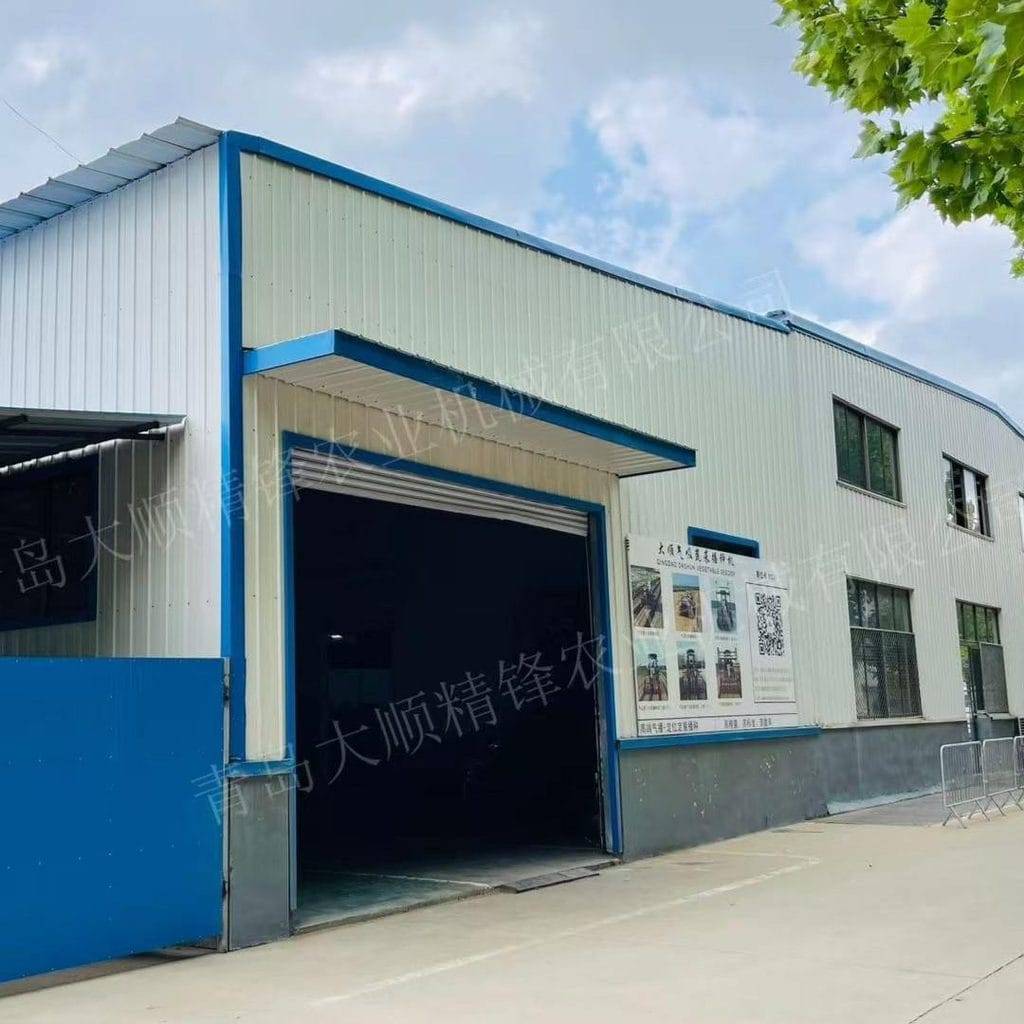
A specialized vegetable seeder manufacturer is essential in translating agricultural needs into functional machinery. Every production phase, from structural engineering to parts assembly, can affect operational efficiency and equipment lifespan.
Pneumatic vegetable seeders demand close attention to their vacuum systems. The seed disc, suction channels, and release mechanisms must coordinate effectively to ensure precise seed capture and placement. Proper machining and assembly contribute to consistent performance.
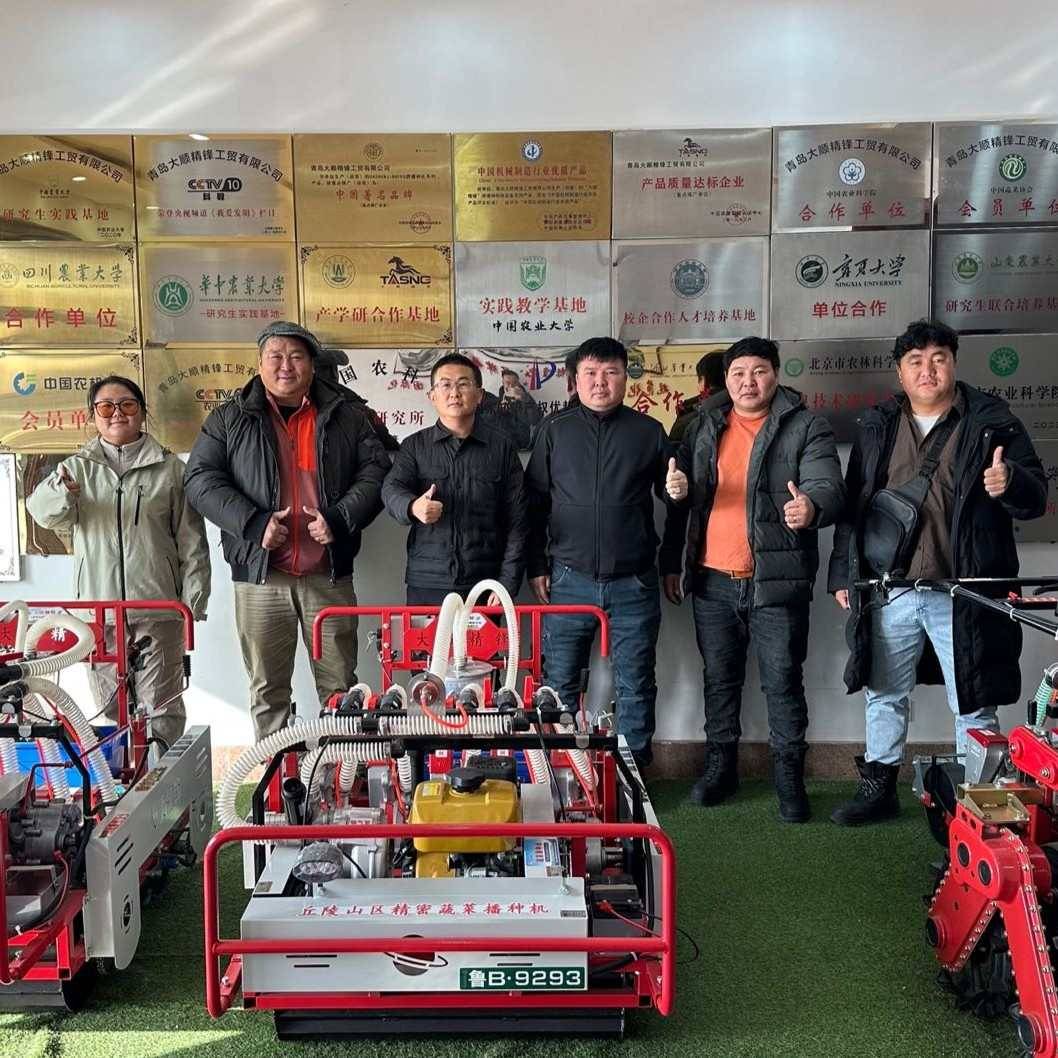
Build quality also depends on material choice. The frame must offer adequate durability for routine field operations, while moving parts should be engineered for dependable functioning. Thorough inspection helps detect assembly issues prior to shipment.
Product validation is another critical production phase. Before dispatch, machines undergo checks for mechanical operation, vacuum efficiency, and seed pickup accuracy. Trials with various seed varieties also help assess whether the equipment satisfies planting needs.
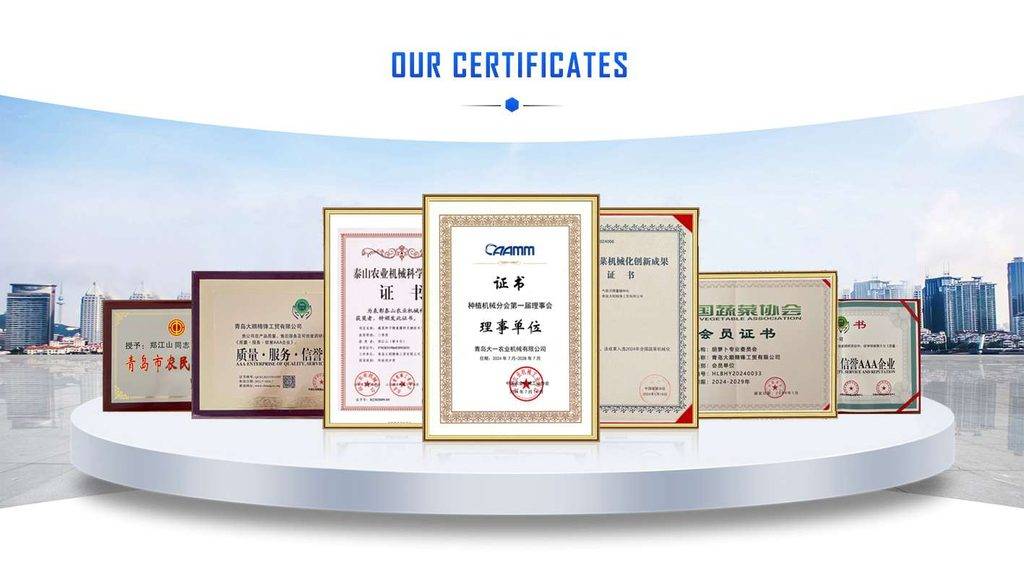
Growing customer expectations are pushing manufacturers to create more adaptable machinery. Vegetable producers may grow onions, carrots, lettuce, beets, and other crops, each with distinct seed traits and planting configurations. Adjustable row spacing and interchangeable seed discs allow equipment to accommodate diverse agricultural uses.
A dependable vegetable seeder manufacturer must also grasp real farming conditions. Input from growers and dealers offers valuable insights into machine tuning, upkeep, and product enhancements. This link between production and field use helps manufacturers align with market demands.
For global agricultural machinery purchasers, choosing a factory goes beyond price comparisons. Production expertise, quality control, technical assistance, and parts availability also matter. Transparent communication with suppliers helps buyers grasp machine specifications and choose appropriate equipment.
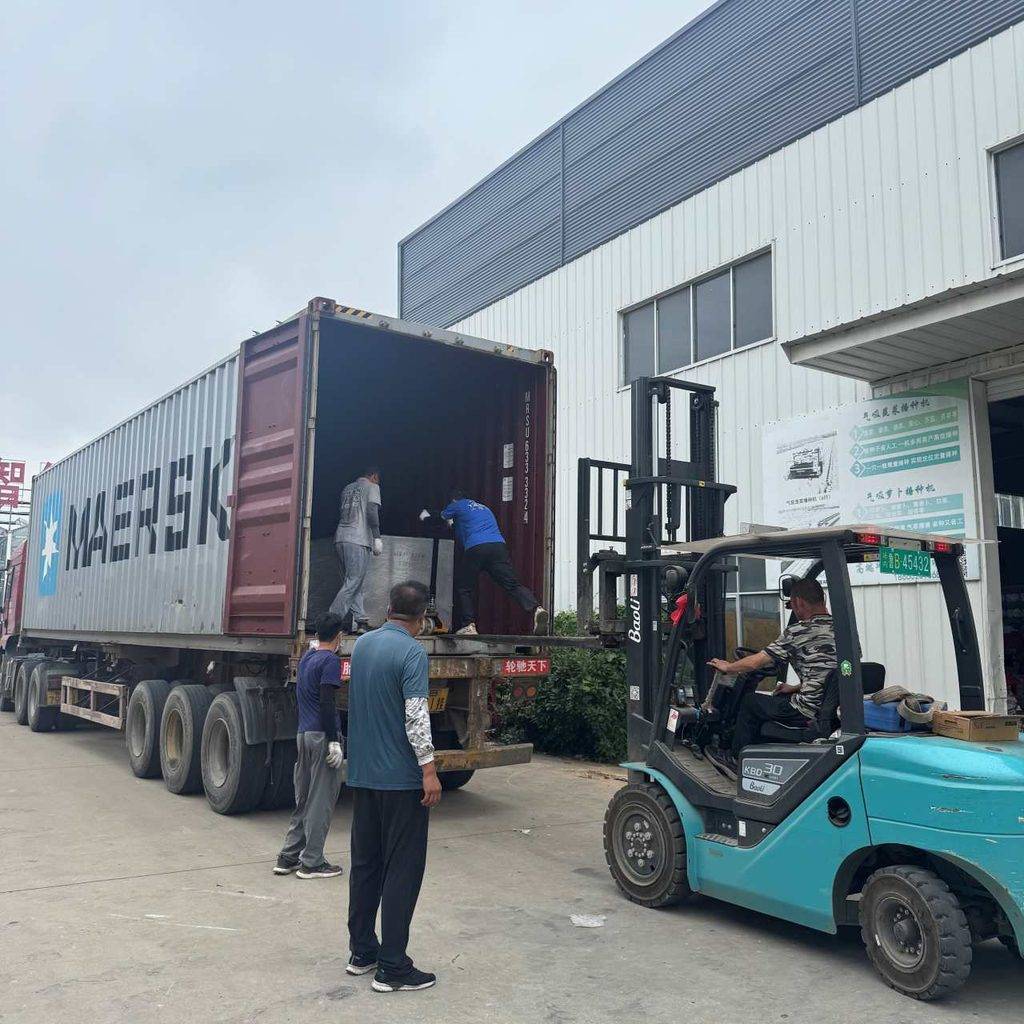
As vegetable cultivation grows more mechanized, manufacturers will keep emphasizing functional design and uniform production standards. A factory that combines production expertise, meticulous assembly, and equipment validation can deliver dependable vacuum seeding solutions for various vegetable crops.