

Vacuum vegetable seeders are getting better at handling different crops. That matters because vegetable seeds come in all shapes and sizes, and growers rarely stick to just one crop all year.
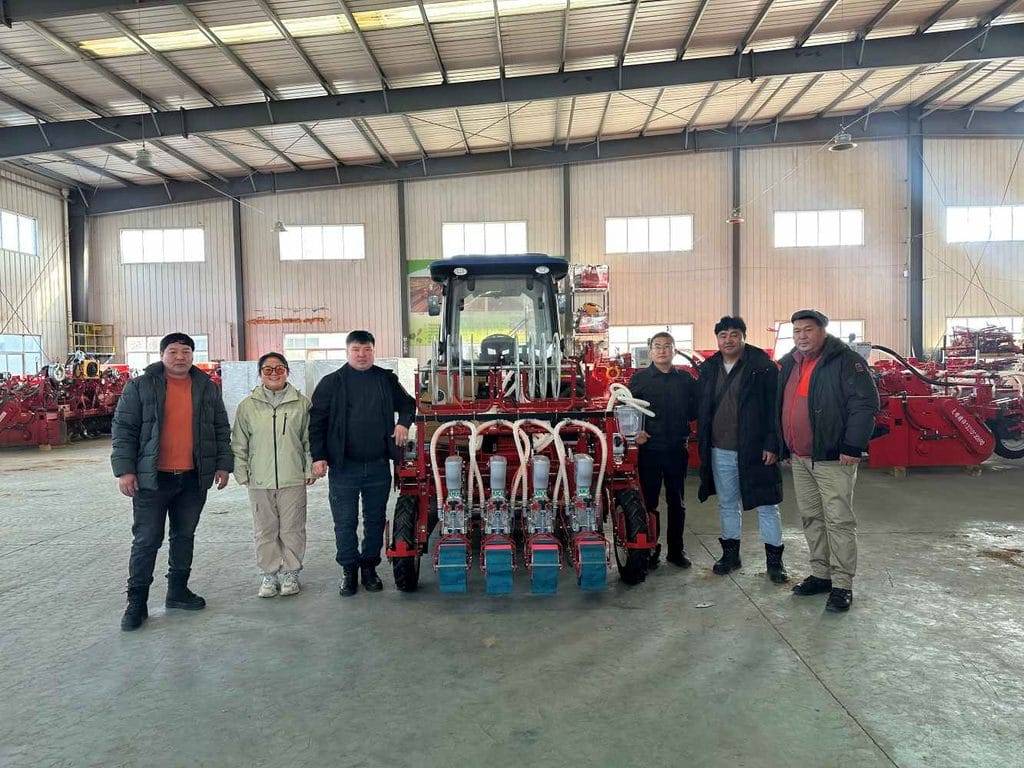
A vacuum seeder holds seeds against holes in a rotating disc or drum using negative air pressure. The seeds travel to the release point and drop into the soil. Simple idea. But making it work reliably is another story.
The problem is seed variety. Cabbage seeds are round and smooth. Pepper seeds are flat and irregular. Tomato seeds are fuzzy and light. A machine set up for one may struggle with another. Growers often switch crops between seasons, so they need equipment that can switch too.
Recent research has looked at this issue. A study in Scientific Reports examined an air-suction drum seeder for irregular tomato and pepper seeds. The team tested suction pressure, seed-clearing pressure and vibration frequency to see how each setting affected planting. Under optimized conditions, the system hit about 96.9 percent qualified seeding rate. Not perfect, but workable.
The takeaway is that settings matter. A lot. And those settings change with the seed.
Manufacturers have noticed. More of them are building adjustable metering systems. Different discs, different singulators, different airflow settings. The goal is one machine that can handle more crops without a full rebuild every time the season changes.
Small seeds get special attention too. Pneumatic needle systems have been tested on very small sprout and vegetable seeds. Results show that different seeds need different suction pressure and hole sizes. There is no single setting that works for everything.
This is worth repeating. Stronger suction is not always better. Too much vacuum pulls two seeds onto one hole. Too little and the hole comes up empty. The sweet spot depends on the seed.
But the metering unit is only part of the picture. Seed flow in the hopper matters. Vibration matters. Brush adjustment matters. Clean suction holes matter. All of it adds up to final accuracy.
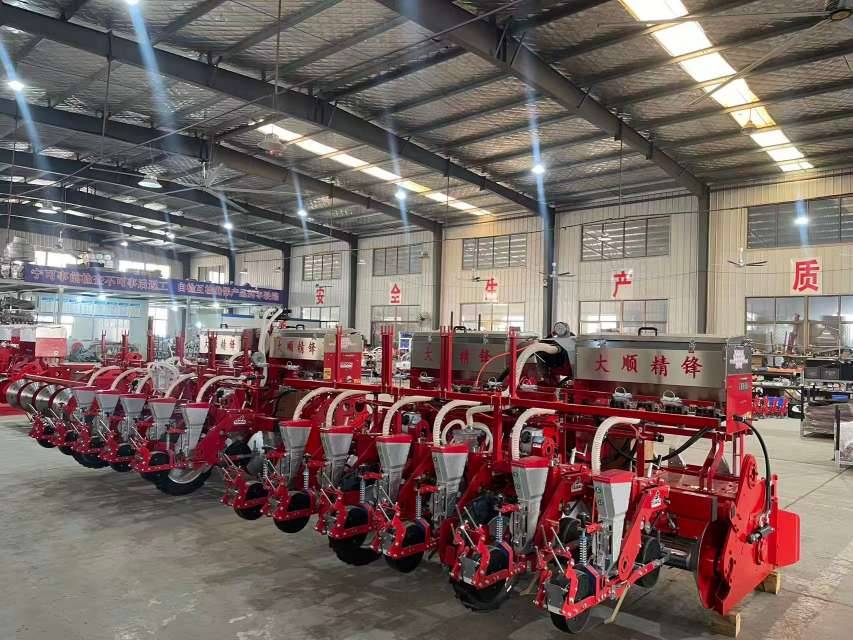
For commercial growers, consistency beats speed. Uneven spacing means uneven plants. Uneven plants mean extra work later. Nobody wants that.
So the next generation of vacuum seeders will focus on flexibility, not just miles per hour. Machines that adjust quickly, clean easily and hold their accuracy across different seeds will win out.
Precision planting is not just about picking up one seed. It is about doing it again and again, even when conditions change.